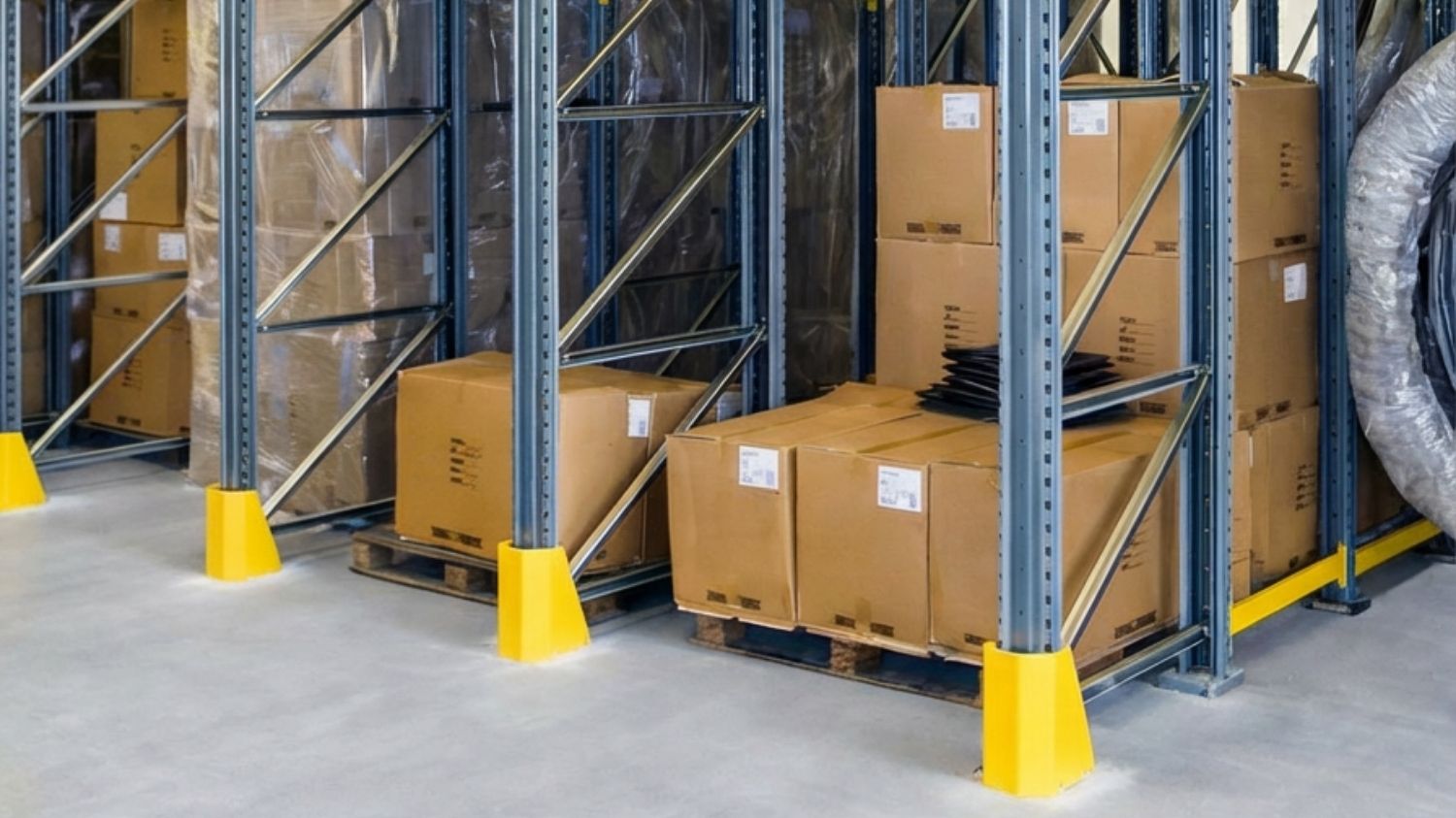
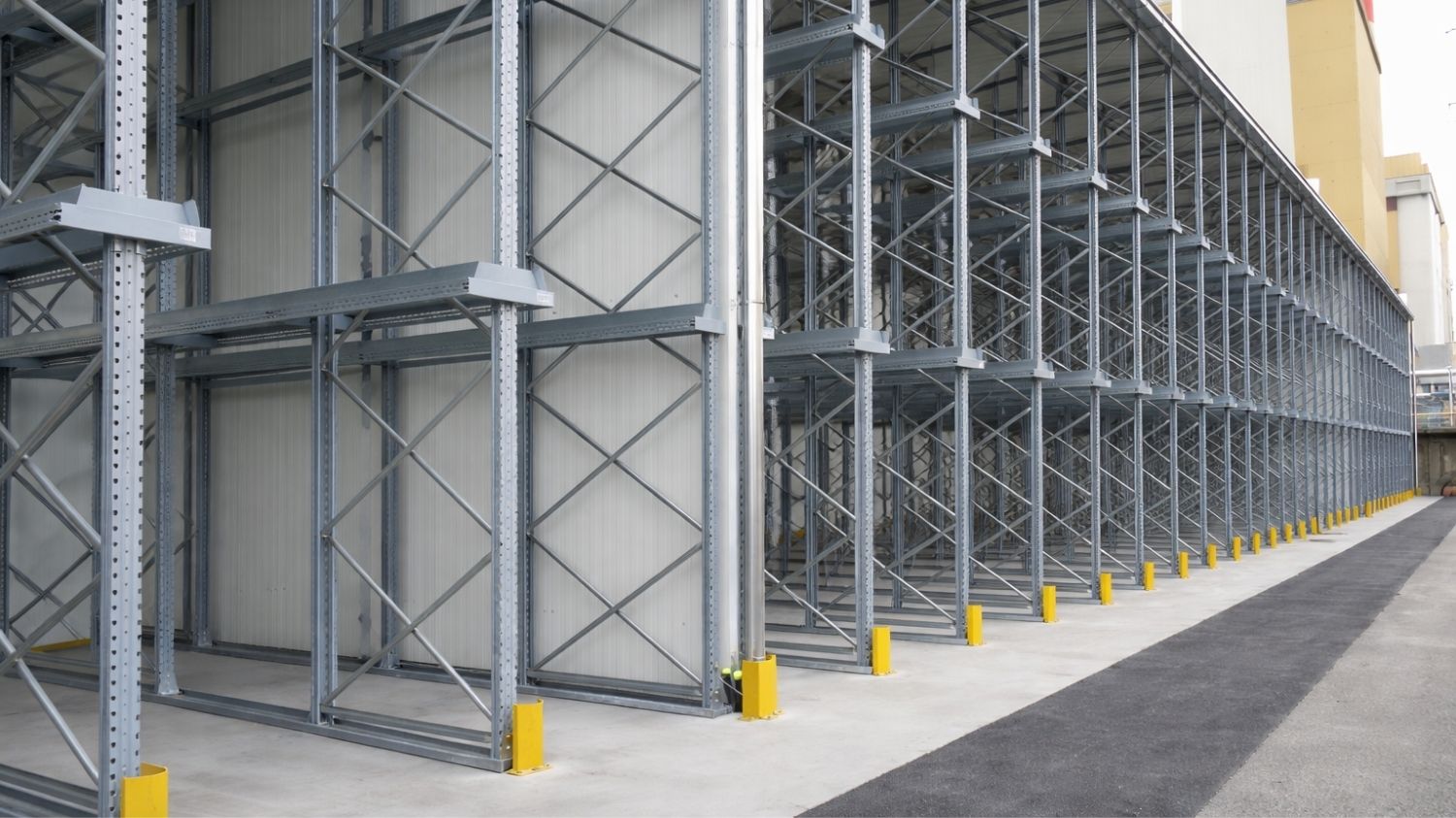
Maximum use of available space
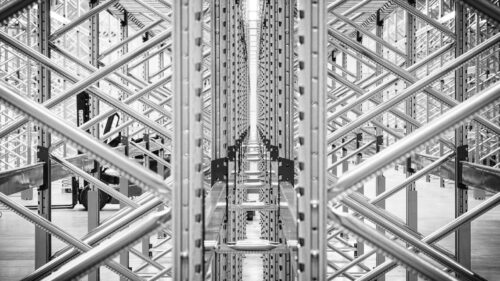
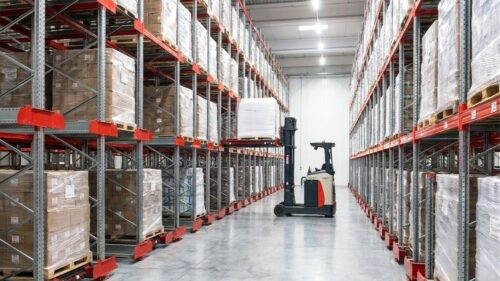
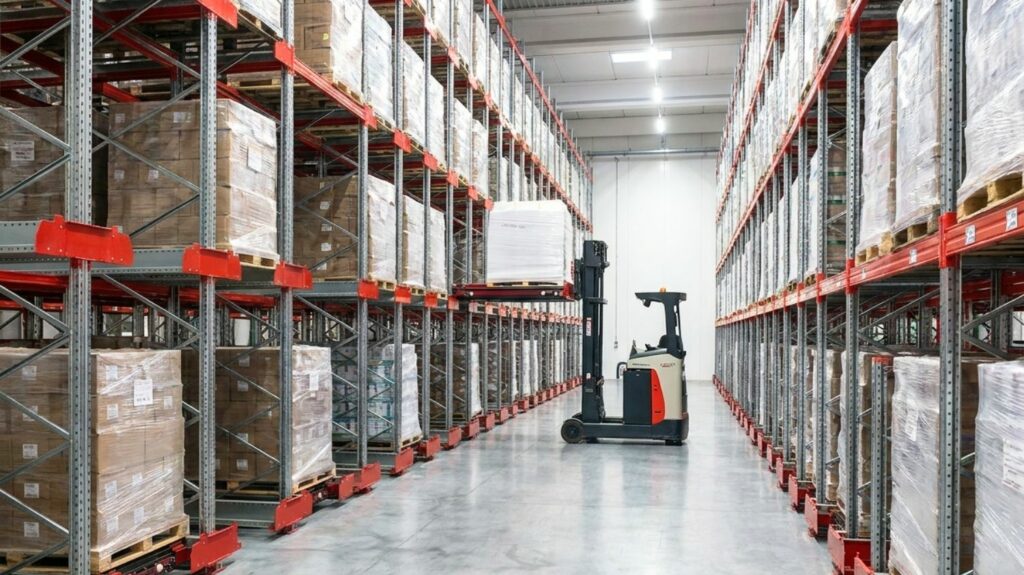
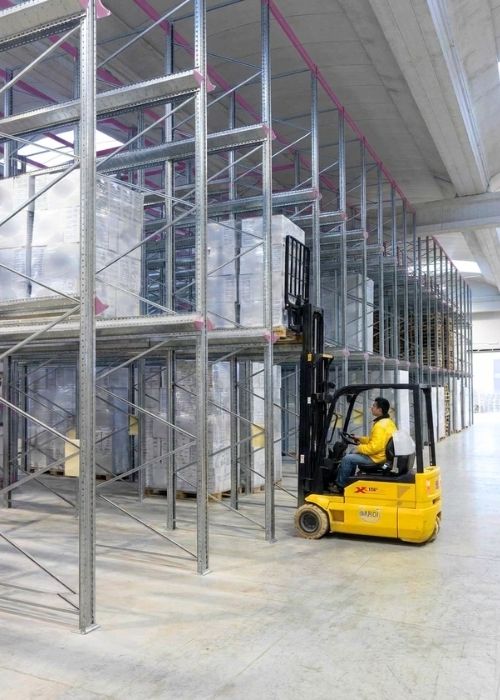
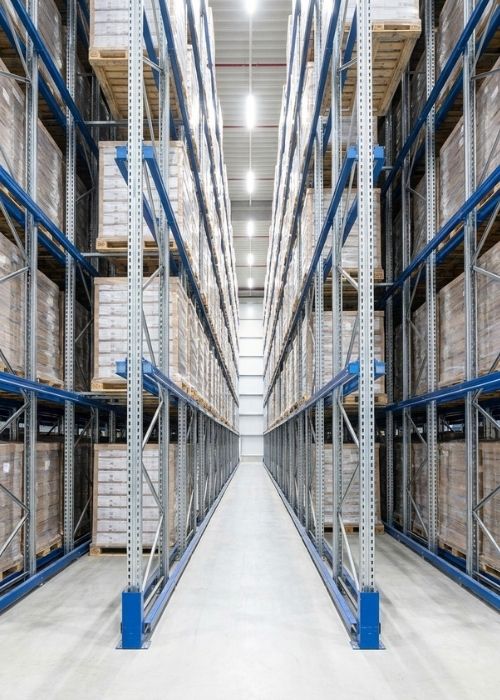
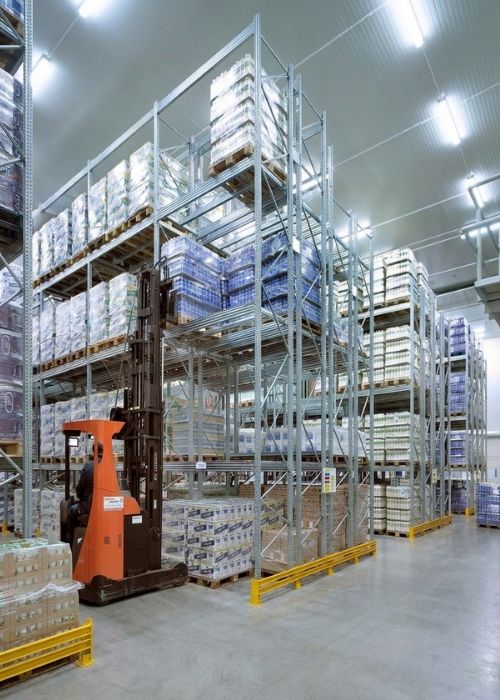
By reducing the number of operating aisles and increasing storage lane depth, the system maximises the use of available warehouse volume, both in terms of floor space and building height.

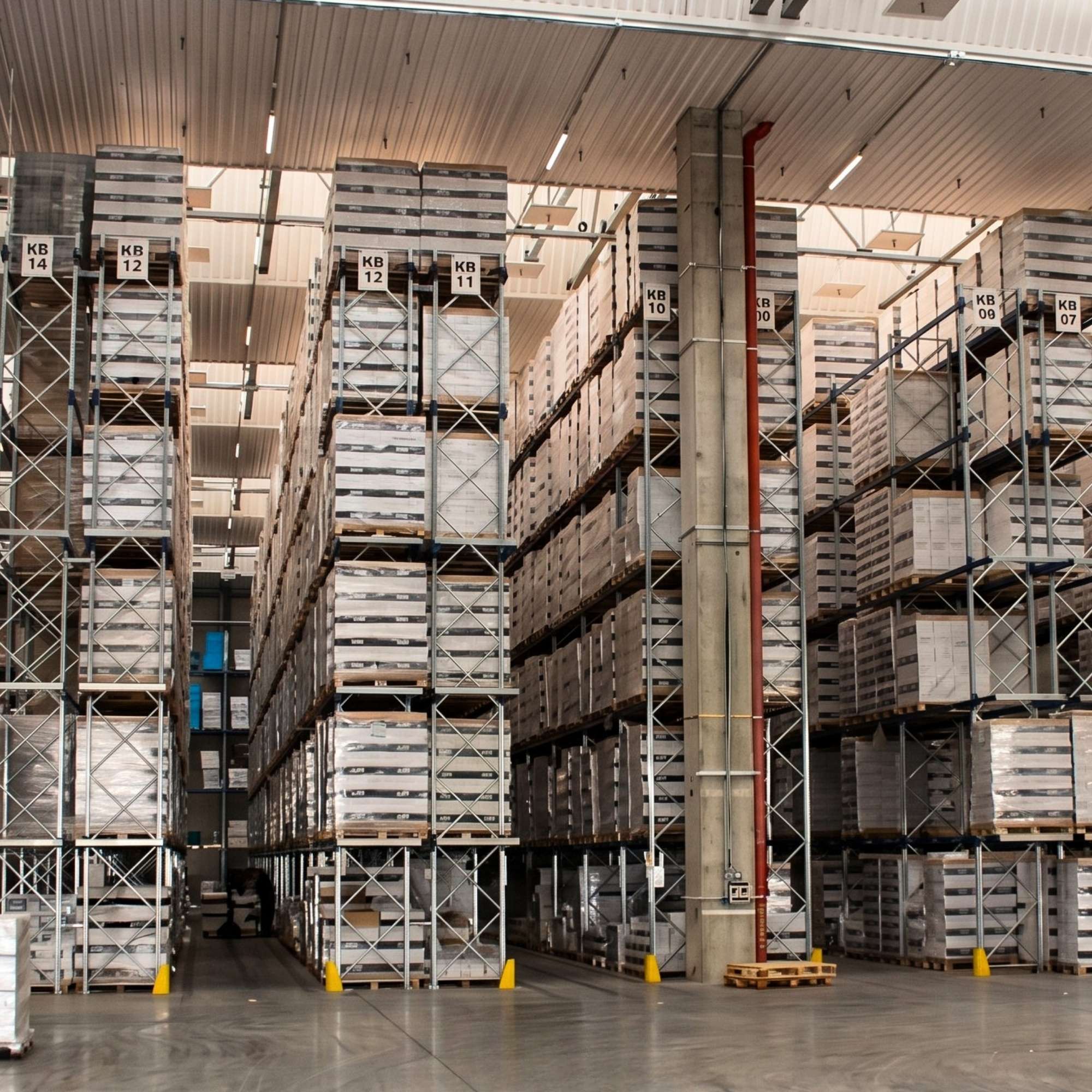
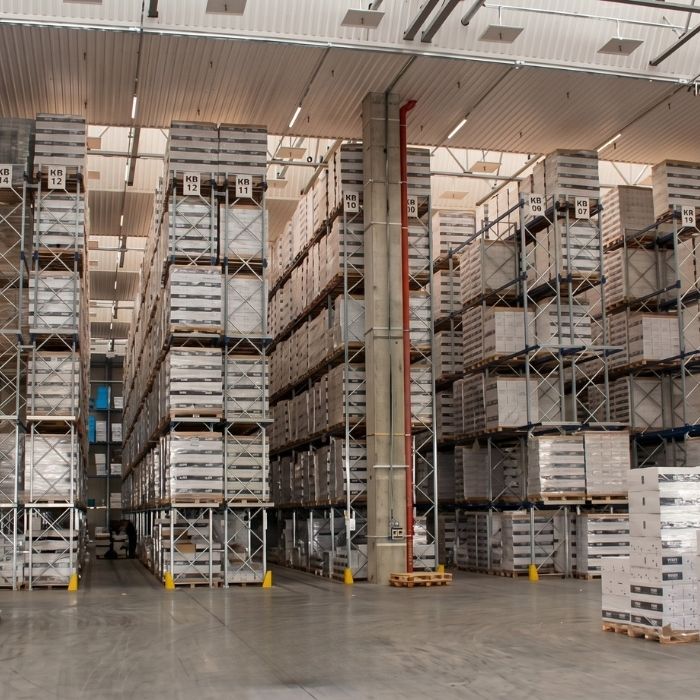
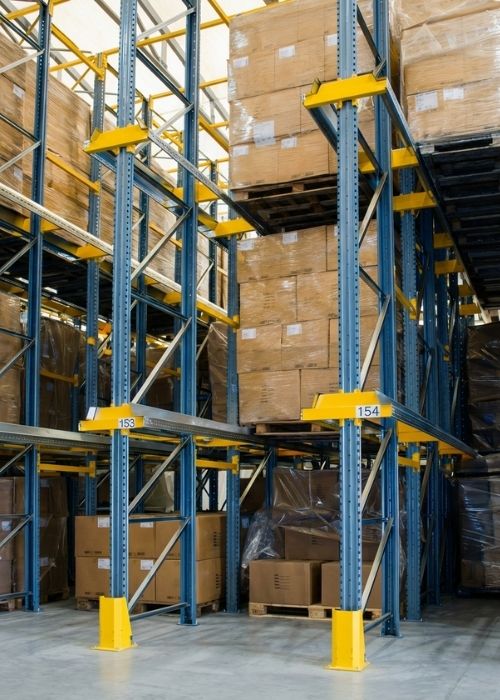
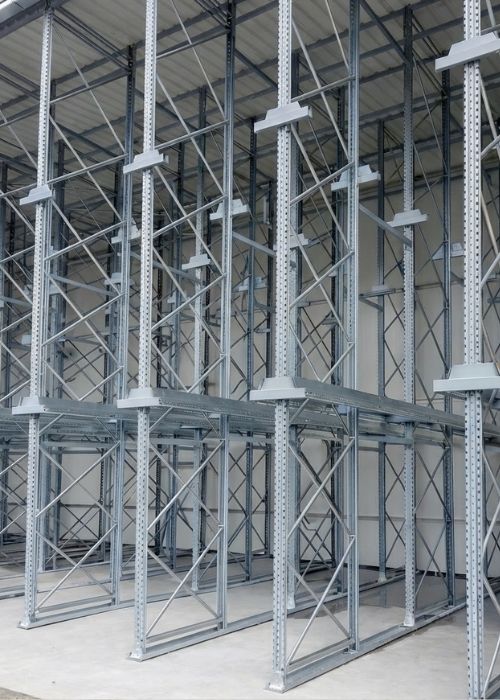
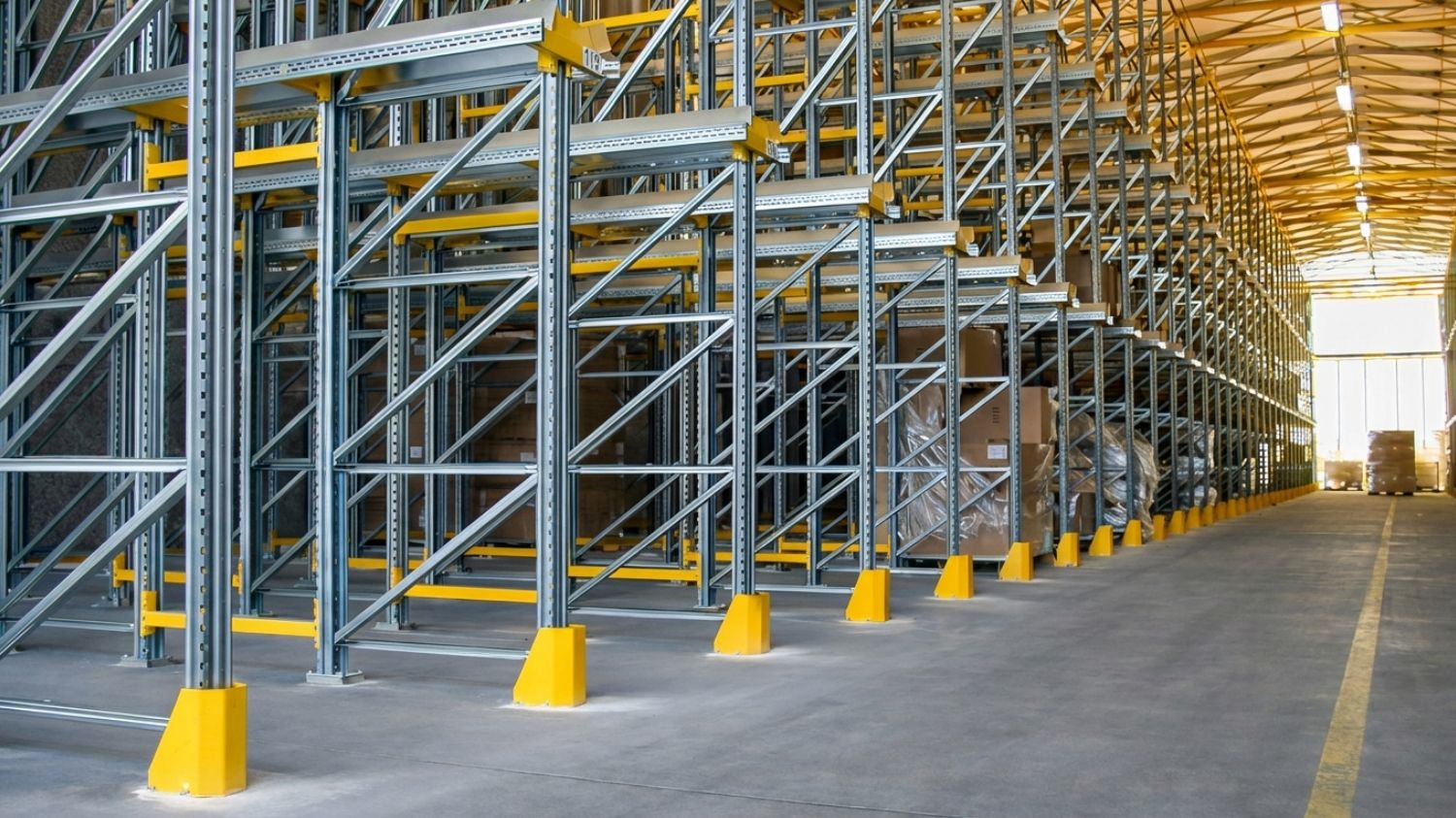
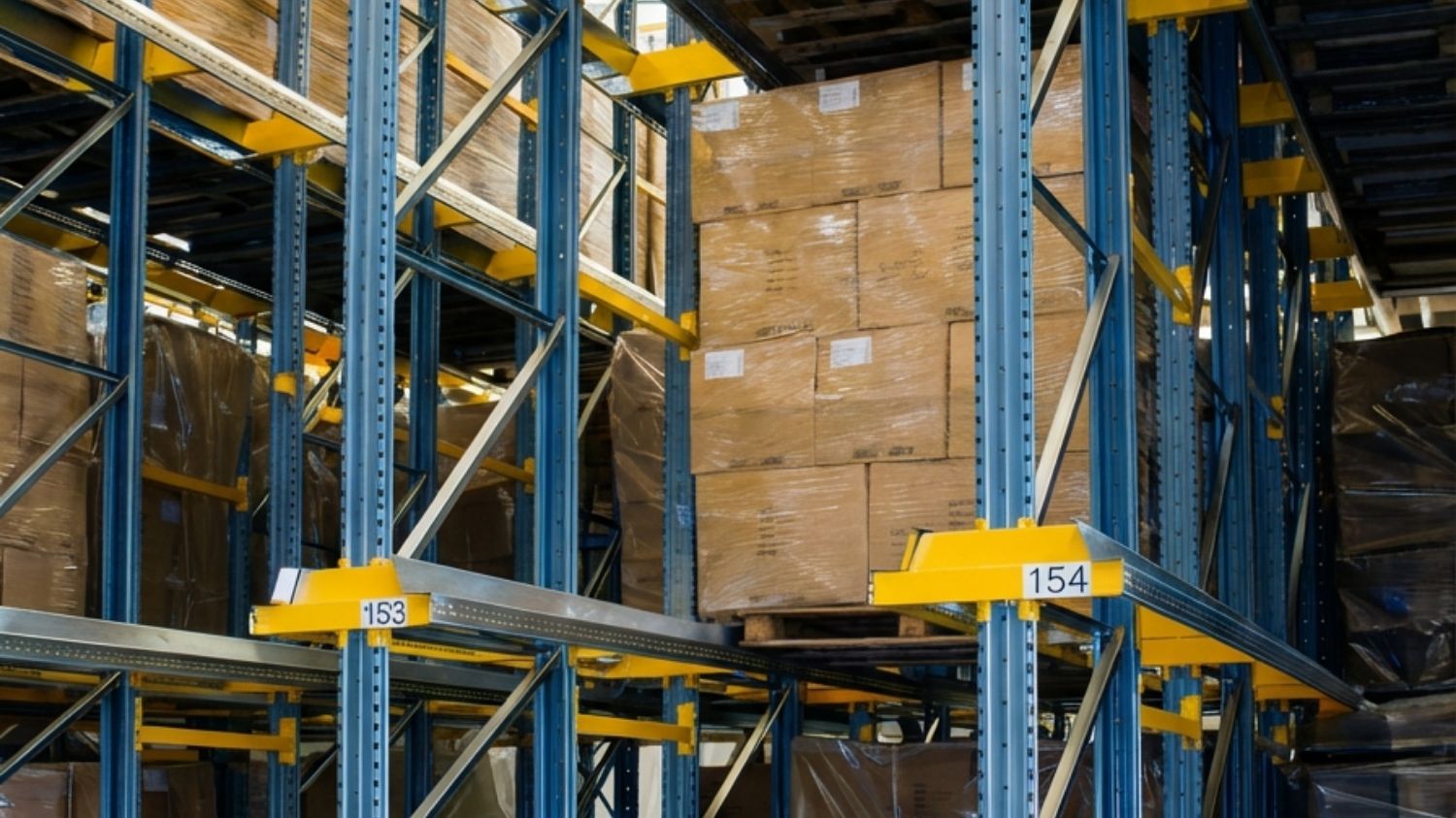
Drive-in pallet racking, together with its drive-through variant, is a high-density storage system designed to maximise pallet storage capacity through deep-lane accumulation. By reducing the number of operating aisles compared with selective pallet racking, the system makes more efficient use of available warehouse space and height. It is particularly suitable for applications involving large quantities of pallets per SKU, homogeneous products and low-to-medium stock rotation, rather than environments requiring high selectivity across a wide range of SKUs. In a drive-in configuration, access is provided from a single face of the racking system and storage typically follows the LIFO (Last In, First Out) principle, with loading and retrieval taking place from the same aisle. In a drive-through configuration, storage lanes are accessible from both ends, allowing FIFO (First In, First Out) stock rotation. This makes the system particularly suitable for products with shelf-life or stock rotation requirements. Effective FIFO operation requires separate loading and retrieval areas together with disciplined flow management. Pallets are stored and retrieved on dedicated support rails installed at each storage level. The system can be further enhanced through the integration of radio-controlled pallet shuttles, reducing forklift travel within the storage lanes while improving both operational efficiency and safety.
A selection of components and accessories designed to enhance the performance of drive-in pallet racking systems, improving safety, functionality and adaptability to a wide range of operational requirements.
By reducing the number of operating aisles and increasing storage lane depth, the system maximises the use of available warehouse volume, both in terms of floor space and building height.
The high-density accumulation configuration provides significantly greater storage capacity than selective racking systems, making it particularly effective for applications with large stock volumes per SKU.
The robust and modular design provides an effective balance between investment and achievable storage density, while allowing future integration with accessories and advanced technologies such as pallet shuttle systems.
The system is particularly well suited to environments where space comes at a premium, such as cold storage facilities and temperature-controlled warehouses, where maximising storage density is a key operational requirement.
The system is ideally suited to applications where direct access to every pallet is not required, providing efficient storage management through dedicated lanes and homogeneous SKU allocation.
A selection of drive-in pallet racking configurations showcasing high-density storage applications, highlighting engineered solutions, storage depth optimisation and efficient management of pallet flows.
Warehouse Engineering is Modulblok’s editorial platform dedicated to the industrial culture of modern intralogistics. Created to analyse and interpret the transformations shaping today’s warehouse systems, it offers a space for insight, knowledge sharing and industry perspectives. Through technical articles, market analysis and expert contributions, the magazine explores the technologies, operating models and engineering expertise that are redefining the role of logistics across industrial and distribution environments. Its objective is to provide a structured perspective on the sector, connecting technological innovation with storage system design and engineering to better understand the trends, challenges and opportunities shaping the future of warehousing and intralogistics.
Describe your needs: our technical team will analyze the information to understand the operational context and provide you with feedback as quickly as possible.