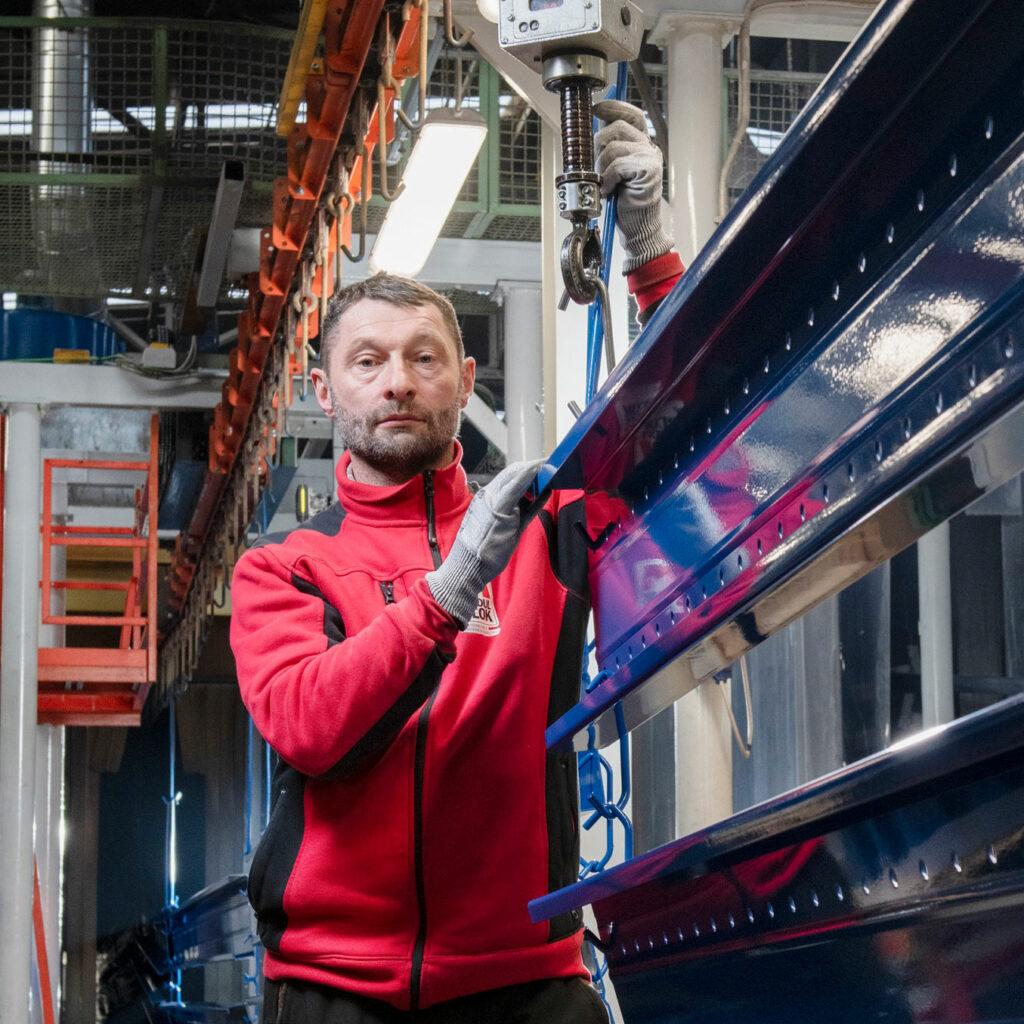
Every decision has an impact.
At Modulblok, we measure it every day.
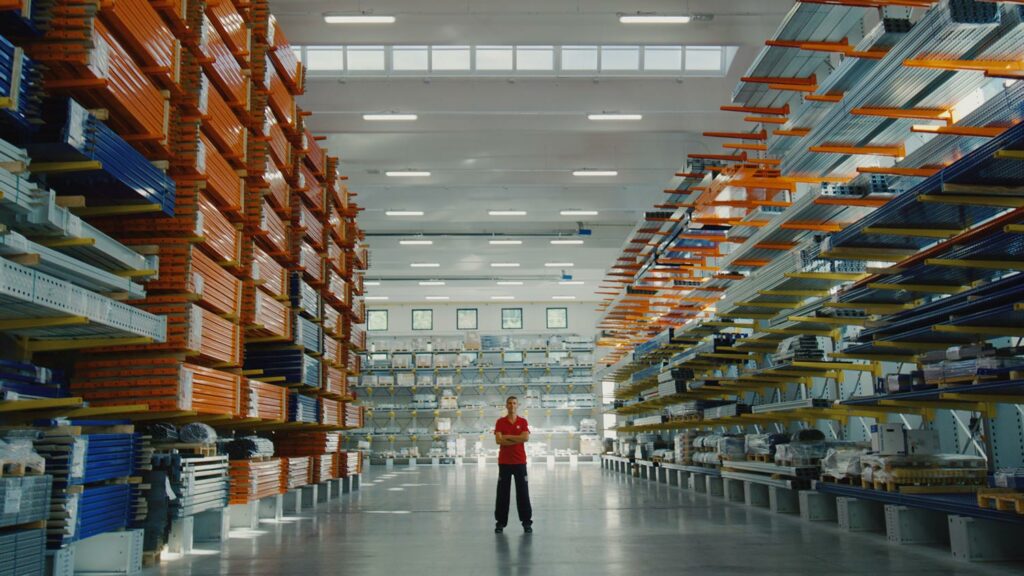
At Modulblok, sustainability is an integral part of how we operate. It is not a separate domain, but a concrete commitment that shapes daily decisions: from energy management to people’s safety, through to governance practices. Our ESG vision brings together environmental, social, and organizational responsibility into a consistent approach based on measurable targets and verifiable data. A continuous process that enables us to monitor impacts, define priorities, and build a solid and transparent industrial model over time.
An ESG policy that guides operational decisions
Our ESG Policy defines principles and objectives applied across company activities. It translates our commitment into measurable actions to reduce environmental impact, promote wellbeing and safety, and strengthen ethical management practices.
- We apply ESG criteria across all areas of the business.
- We define measurable targets for emissions reduction and energy optimization.
- We integrate ESG factors into our long-term strategy.
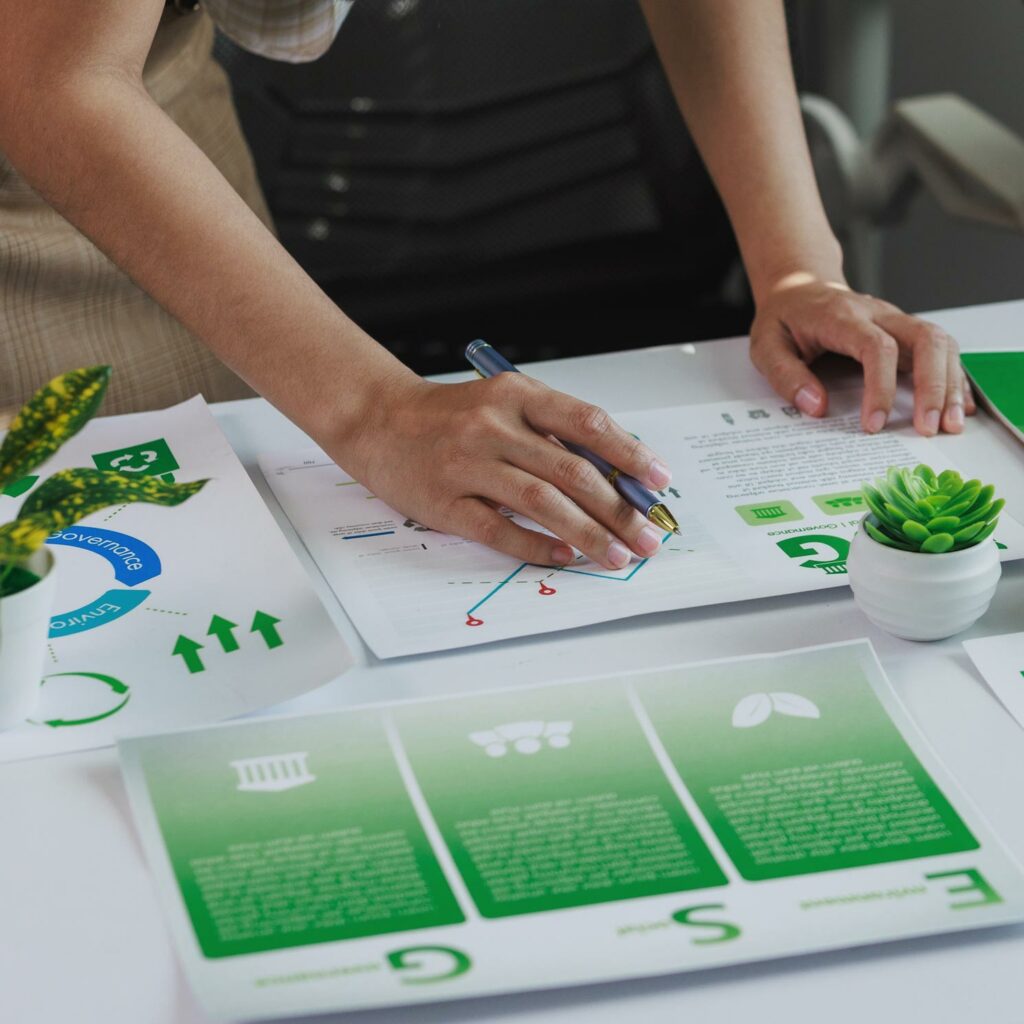
Certified Carbon Footprint. Across the entire value chain.
Measuring and reducing emissions is an integral part of our operational approach. Since 2024, Modulblok has reported greenhouse gas emissions in accordance with ISO 14064-1:2018 for organizational Carbon Footprint calculation, verified by an independent third-party body. The analysis includes direct emissions (Scope 1), indirect emissions related to energy consumption (Scope 2), and Scope 3 emissions across the entire value chain: transport of raw materials and finished products, procurement, and packaging. This is still an uncommon approach among SMEs in the sector, enabling a comprehensive and transparent view of environmental impacts. On this basis, we define quantifiable reduction targets, monitor progress over time, and share verified data with clients, partners, and stakeholders.

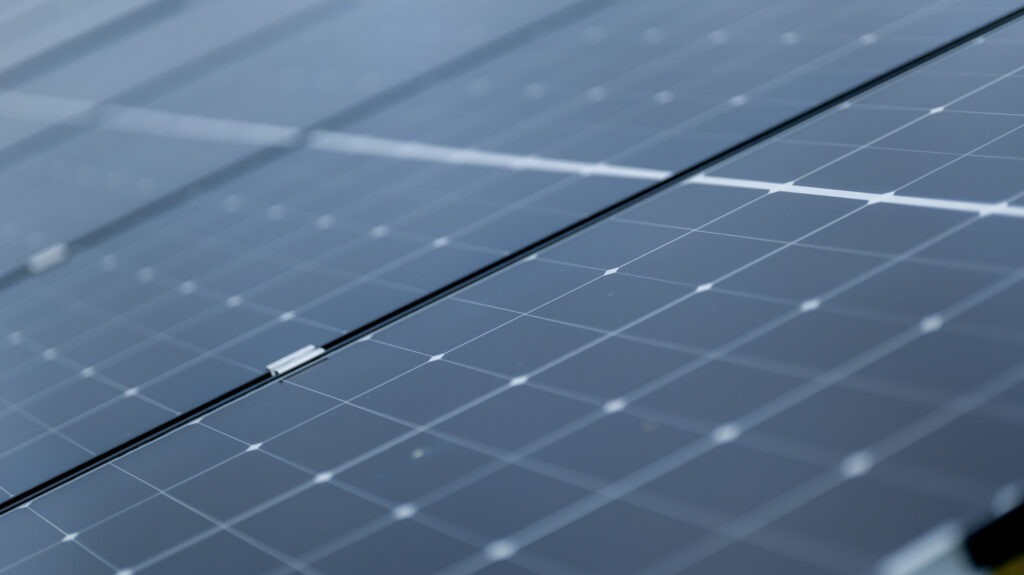
More than 60% of energy consumption from renewable sources
Energy is one of the areas where we act directly to reduce environmental impact. At our Amaro facility, we have progressively expanded our photovoltaic system, reaching installed capacity close to one megawatt and significantly increasing the share of self-generated energy. This path, initiated in 2019 with an initial system of approximately 500 kWp, now enables us to cover more than half of our electricity consumption with internally produced renewable energy, with annual generation exceeding 900,000 kWh. The impact is measurable: the system upgrade allows us to avoid more than 400 tonnes of CO₂ emissions each year, contributing to a progressive reduction in emissions and greater energy autonomy for the facility. A strategy based on concrete investments and verifiable results, integrating energy management into production processes and guiding their evolution over time.
The supply chain as a value driver, not just procurement
Supply chain sustainability is embedded in purchasing processes and supplier management. It is not a constraint, but an industrial lever that directly affects quality, reliability, and operational continuity. Integrating ESG criteria across the supply chain translates into concrete actions: partner selection and engagement, increased traceability—including indirect suppliers—and progressive alignment with reporting requirements. A process that strengthens system resilience and builds long-term value.


ESG ratings. Independent assessments, verified data
Modulblok’s ESG performance is assessed by independent bodies through rating systems that measure environmental, social, and governance aspects. These are not only external indicators, but tools that make results, processes, and areas for improvement transparent.
EcoVadis
In 2026, Modulblok achieved a score of 68/100, ranking in the 77th percentile globally. The scorecard highlights strong environmental performance (74/100), with structured practices in energy management, emissions, waste, and impact monitoring. Key elements include: energy and emissions audits, use of renewable energy, material recovery and recycling, wastewater management, and internal training on substance handling.
Cerved
The 2026 ESG assessment by Cerved Rating Agency assigns Modulblok a score of 69/100, placing the company in the “High Performance” category, with results above the industry median across Environmental, Social, and Governance dimensions. The report highlights the strength of the company’s environmental policies and management systems, supported by ISO 9001, ISO 14001, and ISO 45001 certifications, GHG emissions monitoring in line with ISO 14064, and an ESG framework extending across the supply chain. Among the most relevant strengths are the high share of waste directed to recovery and recycling (98.90%), the near-total proportion of permanent employment contracts, ongoing investment in employee training, and the adoption of an Organizational Model 231 alongside a Code of Conduct.
Code of Ethics and Model 231. Governance and control frameworks
Integrity, legality, and transparency guide company management. The Code of Ethics and Organizational Model 231 define rules governing daily conduct and relationships with employees, suppliers, and stakeholders. These tools represent a concrete framework for risk prevention and process control, contributing to a safe and compliant operating environment.
- Model 231 structures the internal control system and risk management.
- The Code of Ethics defines the principles governing relationships with all stakeholders.
- Whistleblowing systems support transparency and operational integrity.

Industry partnerships and associations. Continuous dialogue, shared standards
Ongoing engagement with industry associations and technical bodies is part of how we operate. We actively participate in national and international networks to maintain alignment with regulations, standards, and shared practices. Our involvement in organizations such as CISI, AISEM, and ANIMA enables us to contribute to sector development and operate in line with European technical and safety requirements.
- Member of CISI with the “Quality & Safety” mark since 1992
- Participation in AISEM and representation within FEM
- Collaboration with universities and technical institutes

Request a technical consultation
Describe your needs: our technical team will analyze the information to understand the operational context and provide you with feedback as quickly as possible.