



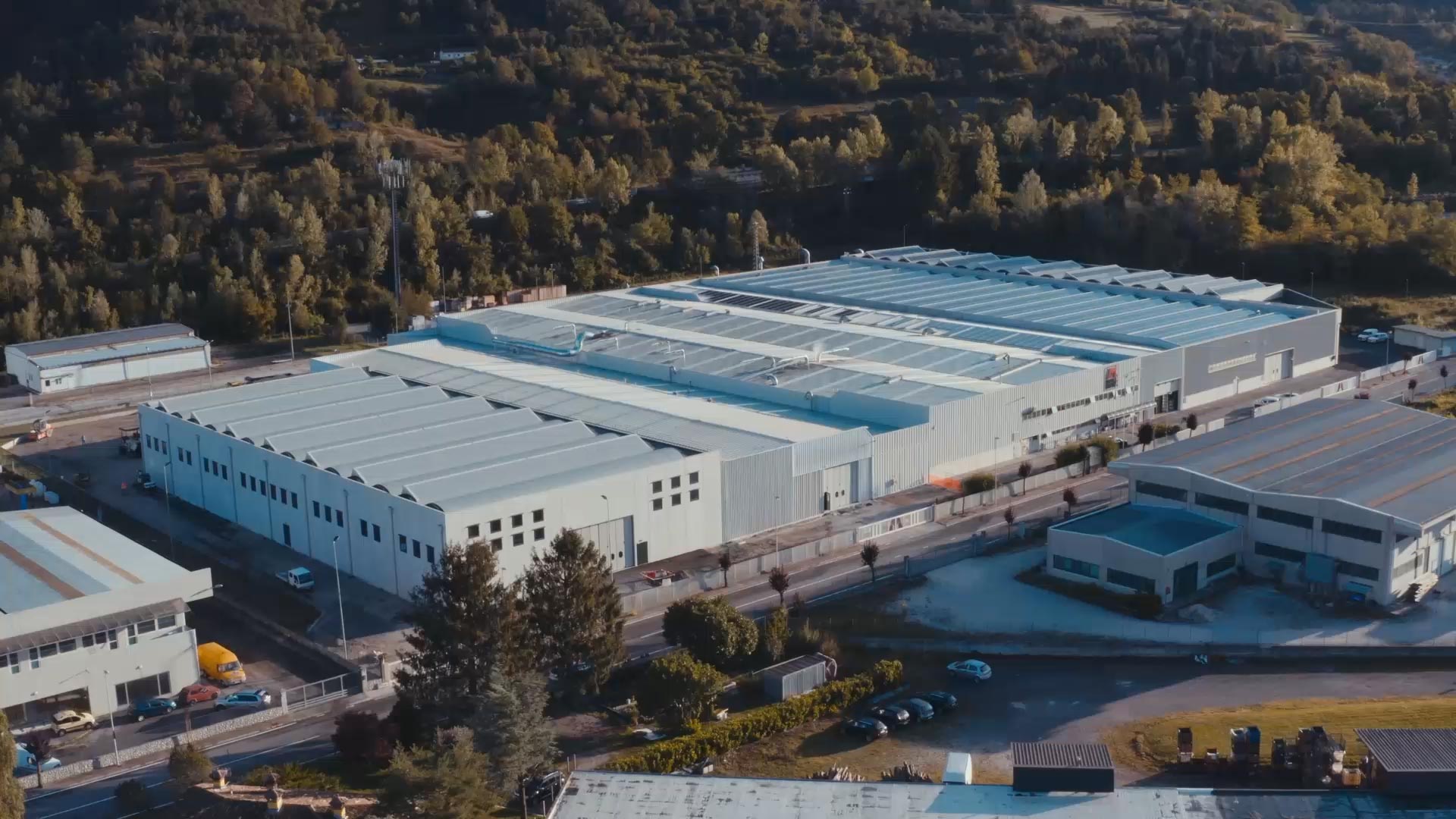
The milestones that shaped our future
They are the result of choices, vision and responsibility—decisions that, at the time they were made, challenged convention and set new standards.
To mark this milestone, we chose to tell the story of Modulblok through its defining firsts: the moments that marked a turning point, introduced a new way of working, or opened a path that would shape the company’s future.
This is not a chronological account of our history, but a collection of stories about people, decisions and vision. Because behind every innovation, every capability developed and every step in our industrial evolution, there was always a first milestone that made the next one possible.
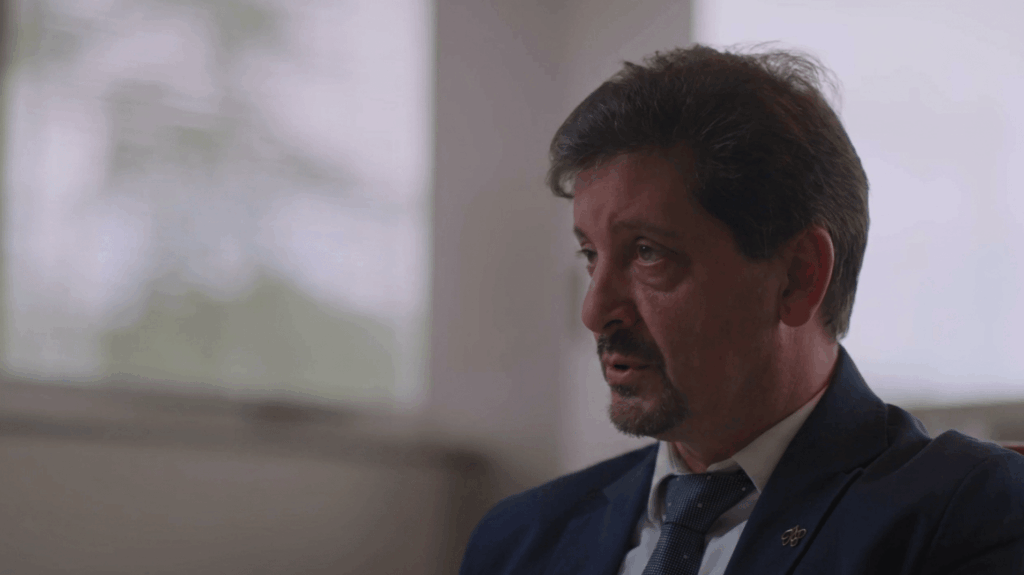
Every industrial story has a starting point. Not a facility or a technology, but a shared idea and the trust needed to turn it into reality. In this first episode, Chairman Mauro Savio looks back at the origins of Modulblok and reflects on the role people have played in shaping the company’s expertise, mindset and vision. Because every achievement begins with someone who chooses to believe in it first.
The installation of the company’s first photovoltaic system marked a significant milestone in Modulblok’s industrial evolution. Through the reflections of Plant Director Igor Battaglia, this defining first becomes the symbol of an approach that looks beyond operational efficiency, embracing technological innovation, environmental responsibility and a long-term vision.
There are moments when a way of working evolves into a shared system. Roberto Menazzi reflects on the journey that led Modulblok to achieve its first quality certification and on what that milestone meant for the company. More than a formal requirement, it marked the beginning of a culture built on measurement, continuous improvement and the commitment to raising standards, day after day.
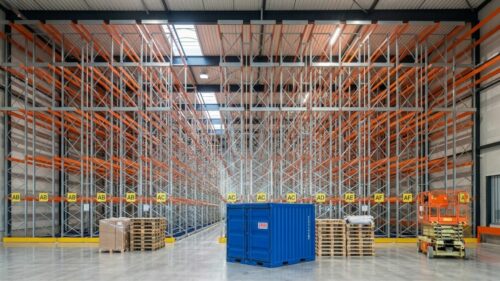
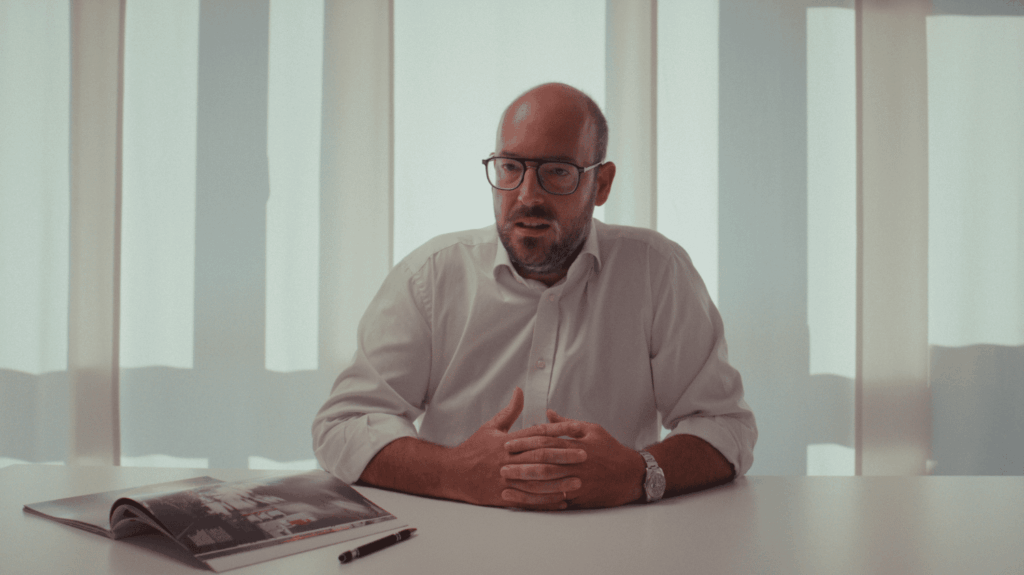
There are moments when a product stops being a component and becomes part of the building itself. In 1991 Modulblok built its first rack-supported warehouse: CEO Andrea Peressi recalls what it meant to learn to engineer things differently. Not a larger racking system, but a change of role: from a company that made racking to a company that designs and delivers logistics systems. Because engineering the customer’s solution is not manufacturing: it takes vision, calculation, laboratory testing and data analysis. And every project remains a challenge the company sets itself.
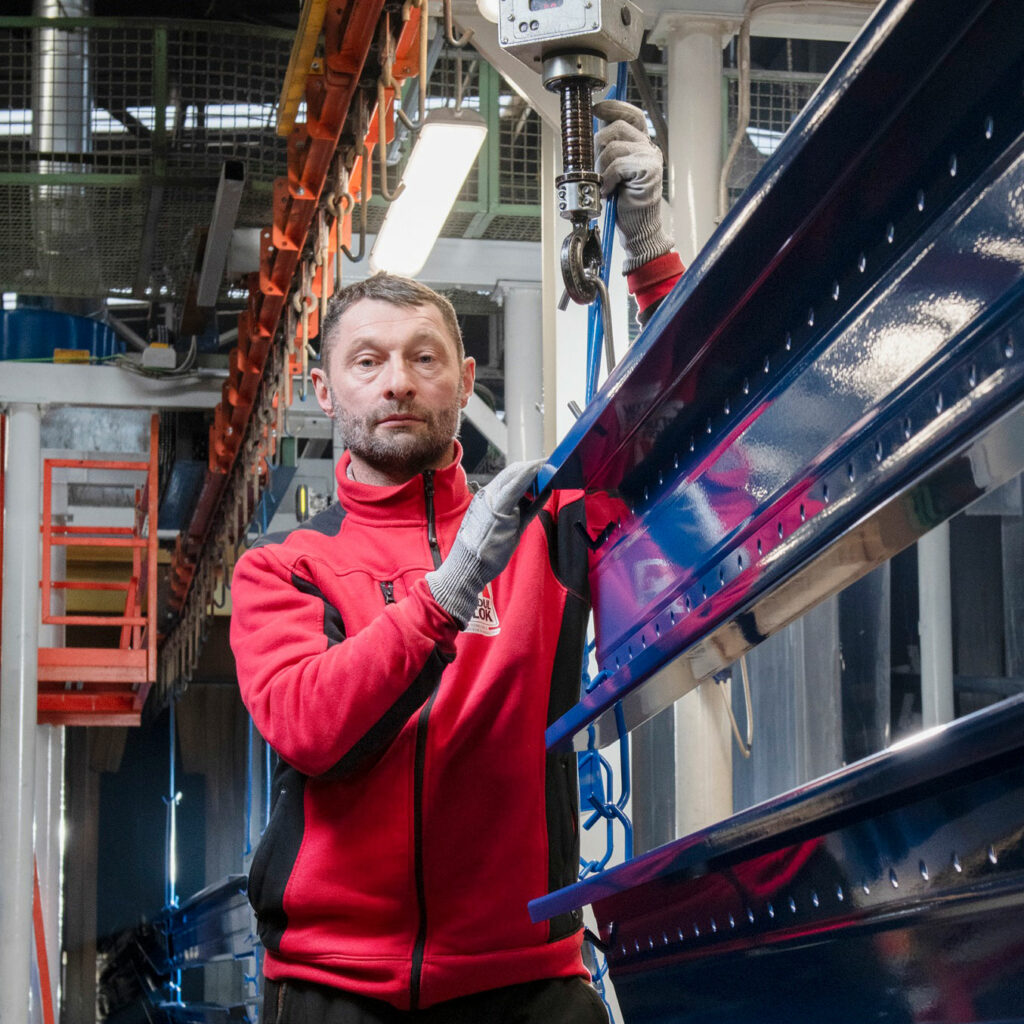
In 1991, when women were still a rare presence on the production floor, Modulblok chose to look beyond convention. Francesca became the company’s first woman to join the manufacturing department, paving the way for a corporate culture that was ready to evolve ahead of its time. Today, she reflects on that experience and the professional journey that led her from the shop floor to Quality and Planning, showing that the most meaningful change has always begun with people.
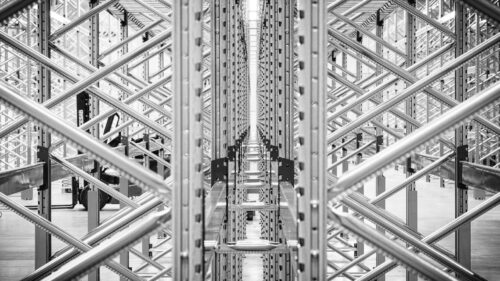
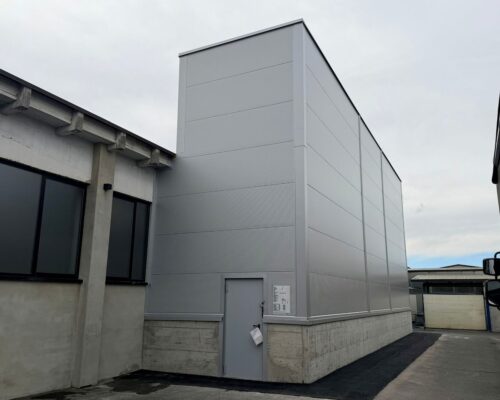
In the early 2000s, Modulblok built its first rack-supported automated warehouse. Giovanni Moretti, Custom Solutions Manager at Modulblok, traces that evolution and the complexities involved in designing and building an automated warehouse: from the integration of the structure with the handling systems to the coordination of work on site, where even a millimetre of difference can affect how the installation performs. It is a turning point that marks a significant step forward for Modulblok: from manufacturing racking to designing and delivering complete systems, in which structural expertise, automation and process management have to converge in a single project. A transformation that is still under way today, as logistics evolves and new technologies, software and handling systems make the ability to bring different skills and technologies together ever more central.
.
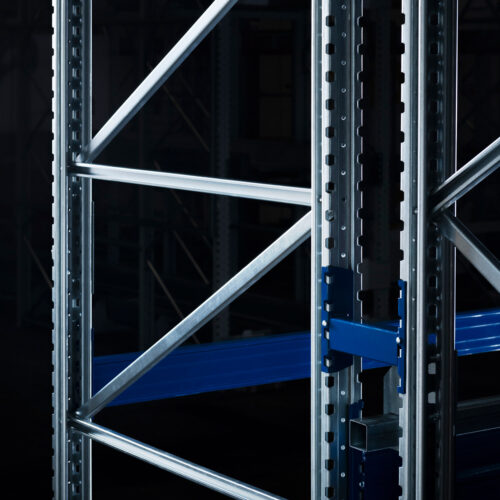
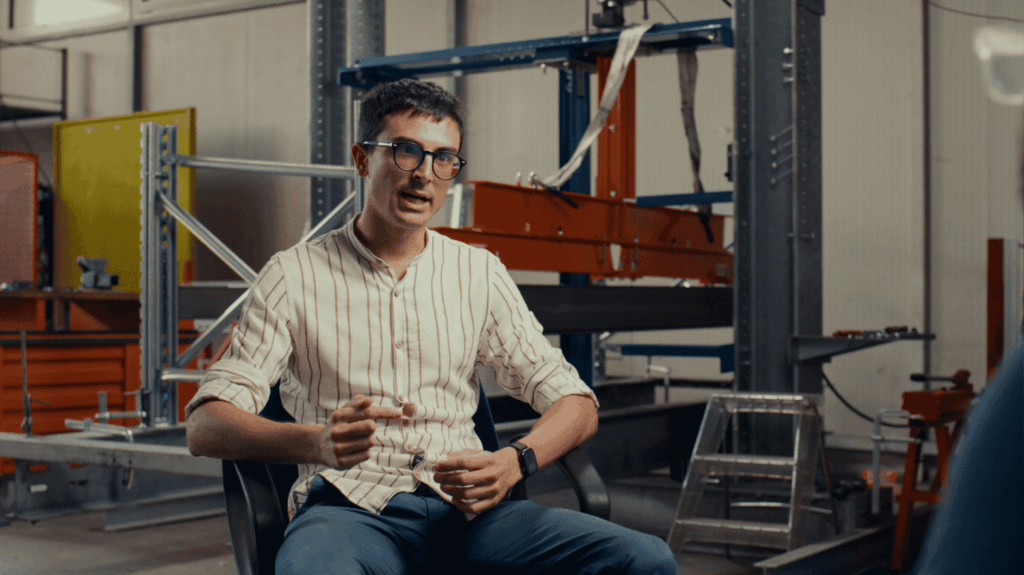
In 2012, Modulblok ran its first seismic test to characterise its own profiles. Giacomo Luvisutti, Structural Engineer at Modulblok, describes the challenge of designing a racking system able to respond not only to vertical loads, but also to the horizontal forces generated by a seismic event. From the behaviour of the bracing on the uprights to the design of a structure intended to absorb those forces, the test becomes a way of verifying design choices in the field and bringing the overall behaviour of the structure within the limits set by the standards. Because behind every test lies a concrete question: how much can a structure take? And the answer comes when theory meets proof.
Describe your needs: our technical team will analyze the information to understand the operational context and provide you with feedback as quickly as possible.