



Regulatory framework for the project
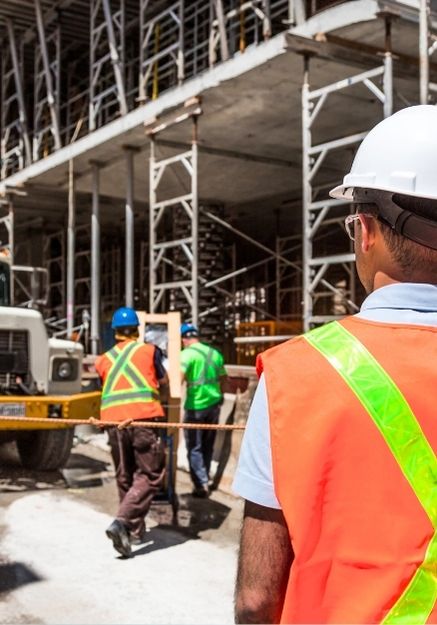
The construction of a mezzanine floor is classified as a structural building project and requires compliance with a specific national regulatory framework.

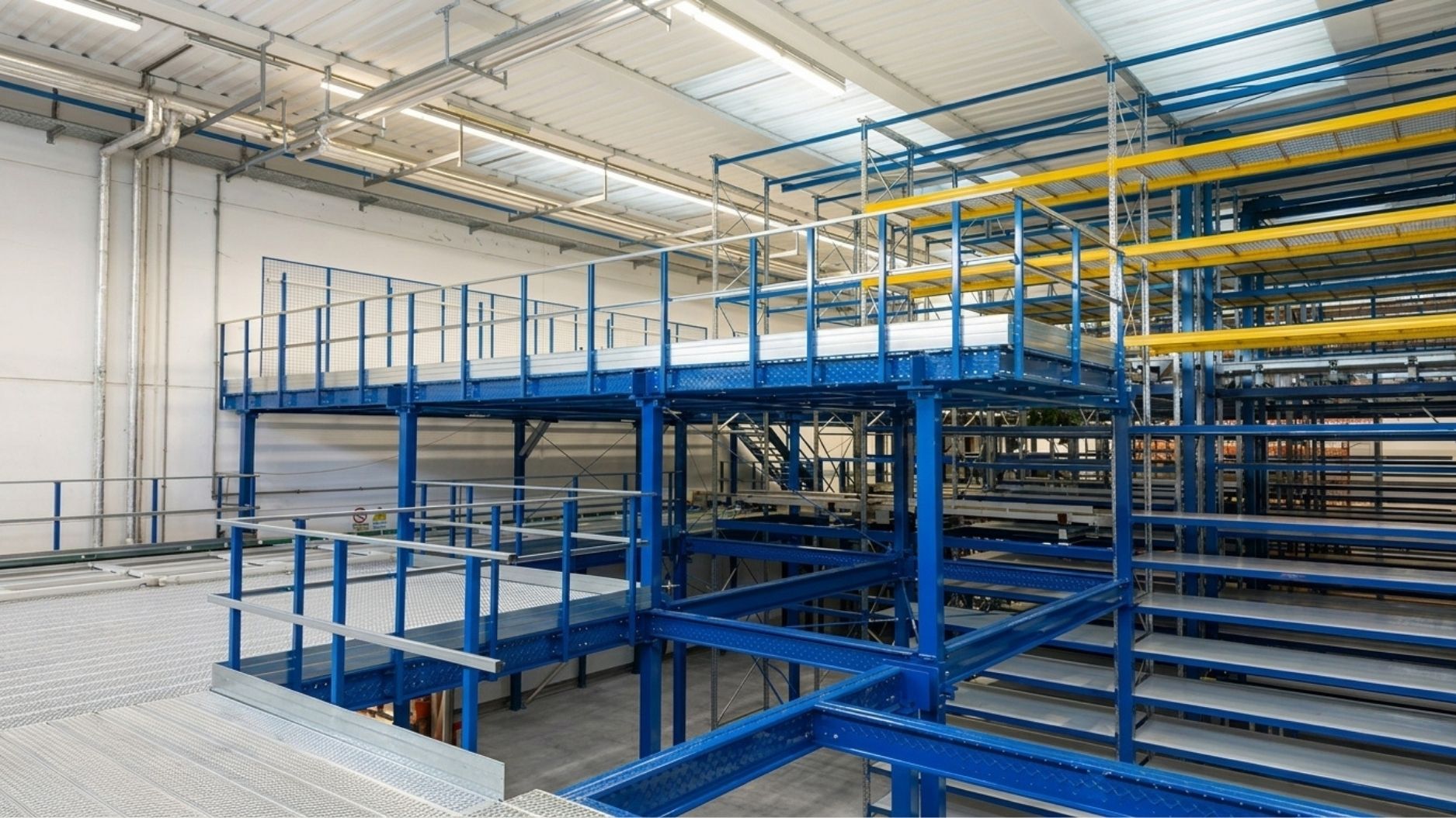
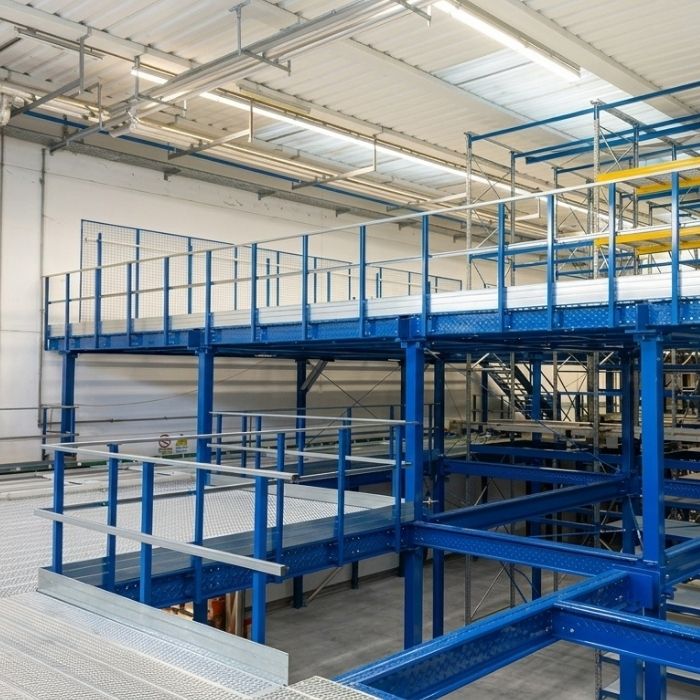
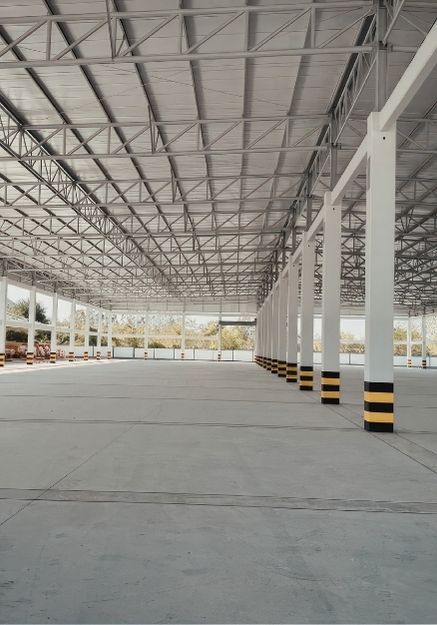
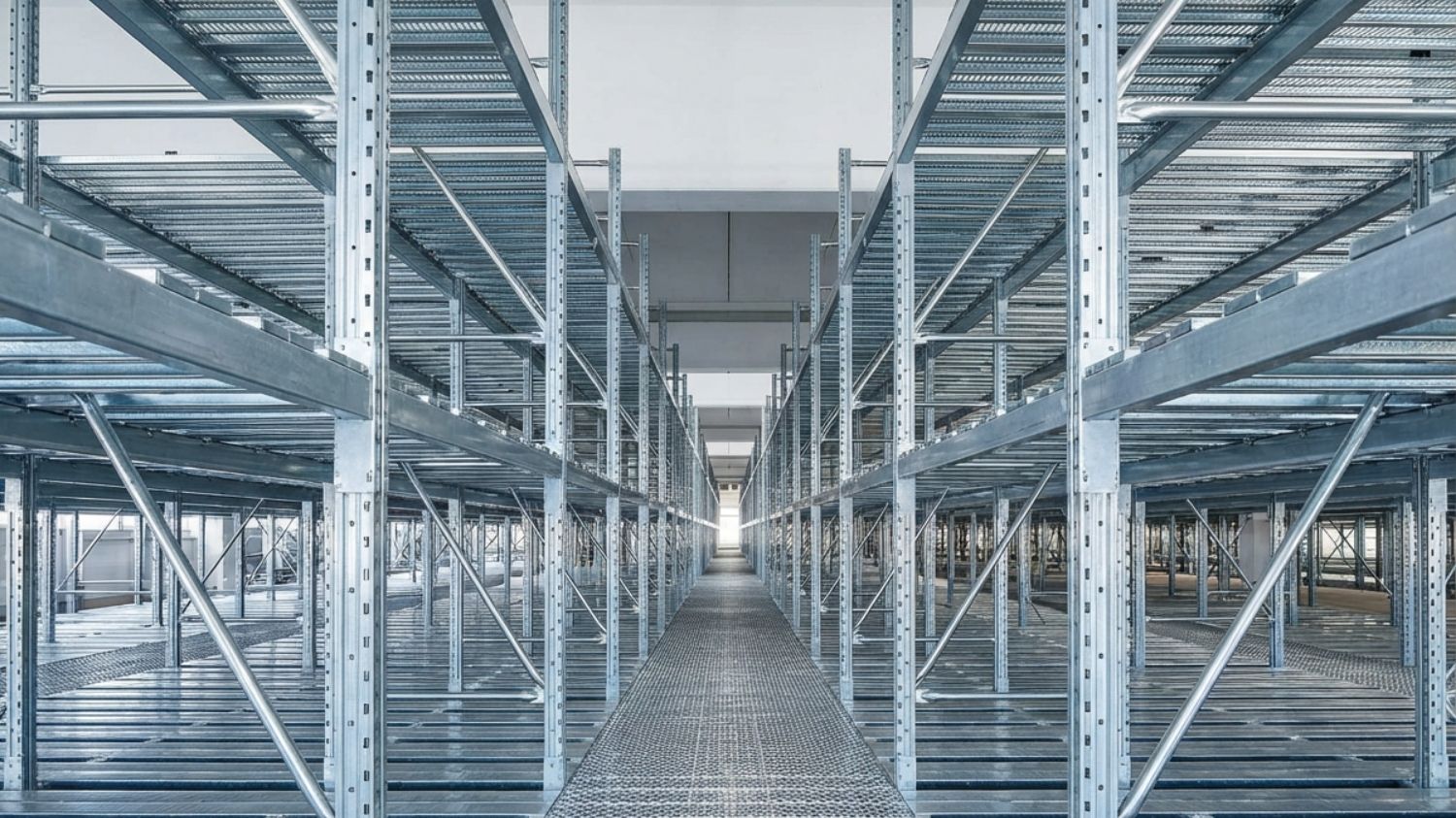
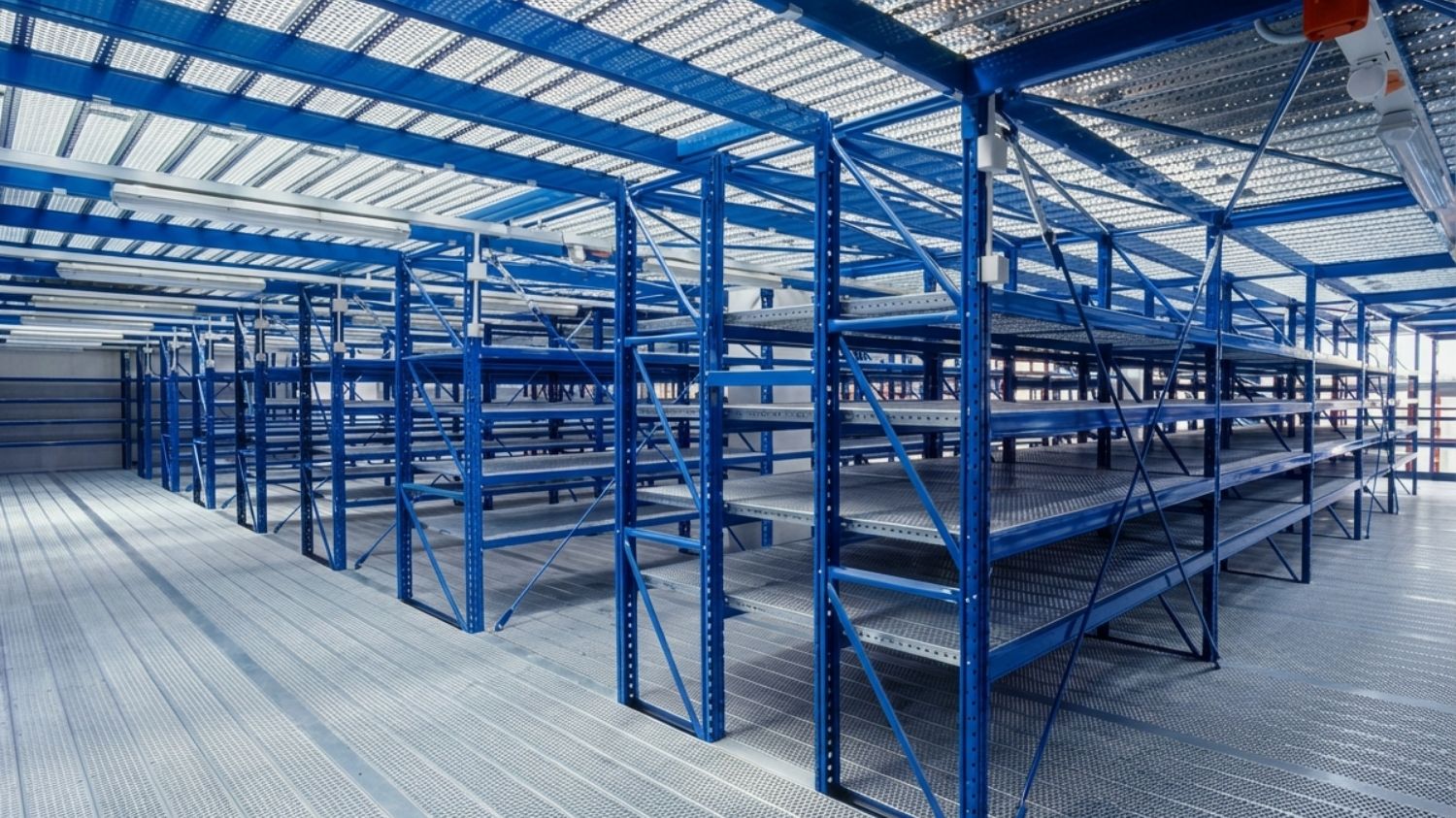
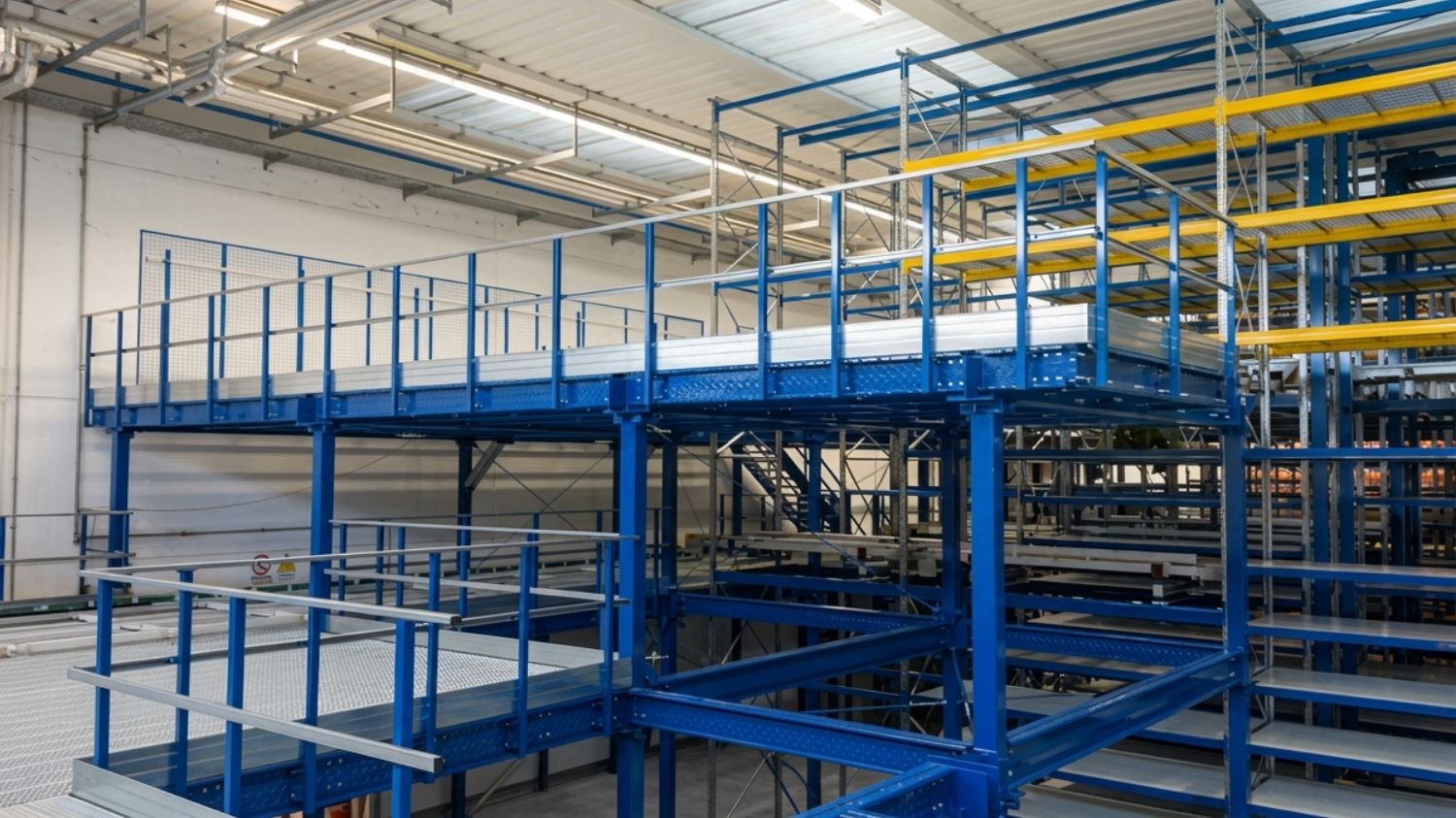
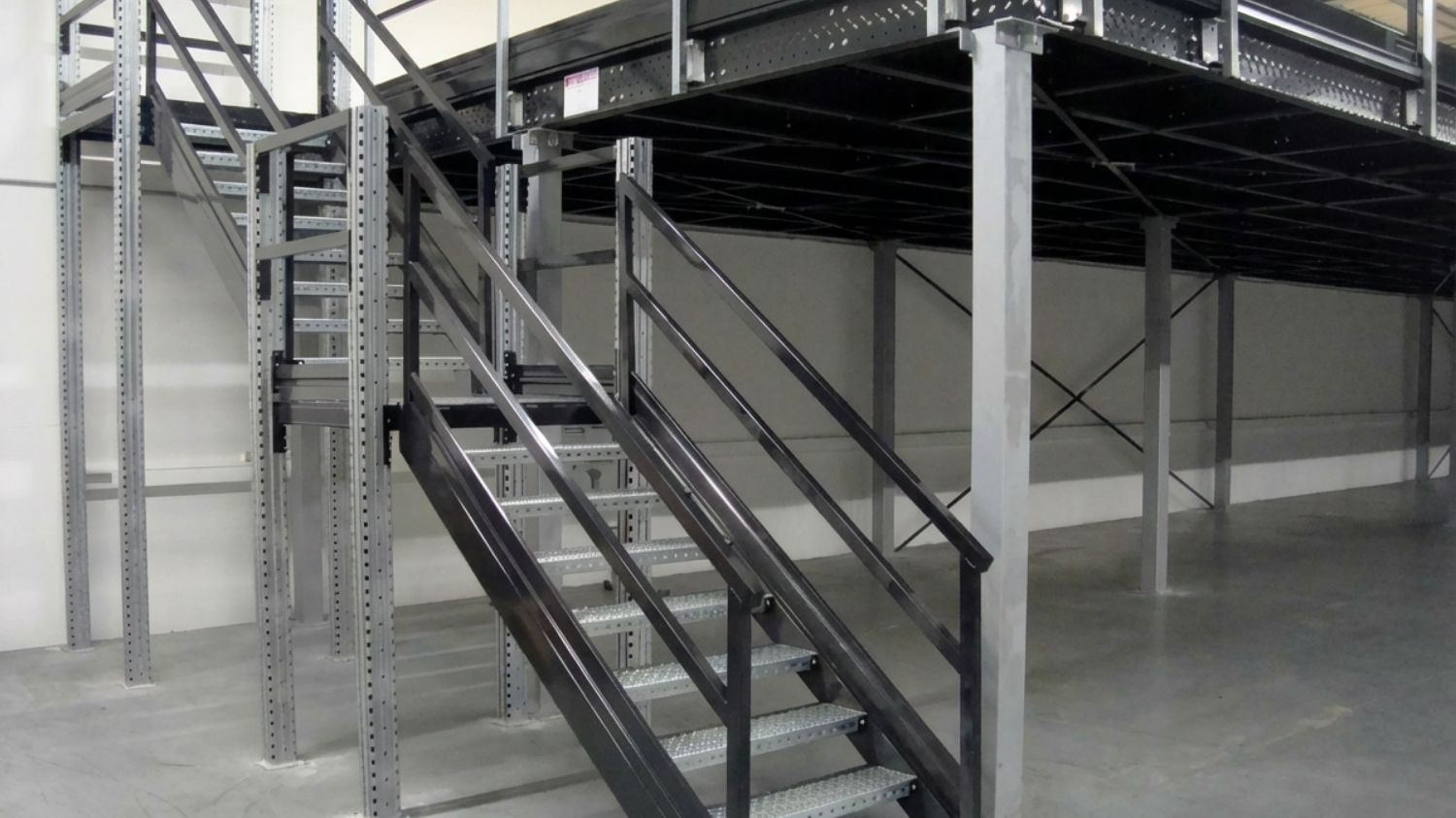
Industrial mezzanine floors are self-supporting elevated structures designed to increase usable floor space by making use of the available building height, without expanding the facility footprint. From a technical perspective, a mezzanine floor is a structural system in its own right, consisting of steel load-bearing elements engineered through structural calculations and integrated into the operational layout of a warehouse or production facility. Unlike multi-tier racking systems, mezzanine floors are not conceived as an extension of the storage structure, but as independent elevated platforms designed to create continuous floor areas for a variety of operational uses.
The construction of a mezzanine floor is not simply a structural intervention: it is a building project subject to a specific regulatory framework. Modulblok supports customers not only with the technical design of the solution, but also by ensuring that the project can be developed in compliance with applicable national regulations.
The construction of a mezzanine floor is classified as a structural building project and requires compliance with a specific national regulatory framework.
Every mezzanine floor project requires a building permit or statutory authorisation (such as SCIA, DIA or a Building Permit), to be obtained by the client and necessary for the lawful construction of the structure.
Prior notification of the works (Articles 93–94 of Presidential Decree 380/2001, responsibility of the contractor) and the submission of the structural design documentation, including a seismic design report signed by a qualified engineer, are mandatory..
Failure to comply with the applicable requirements may result in unauthorised construction works, leading to demolition orders and potential civil and criminal liabilities.
In addition to the building approval process, Modulblok mezzanine floors are engineered in accordance with the Italian Technical Standards for Construction (NTC 2018), including seismic verification and compliance with workplace safety regulations (Legislative Decree 81/2008) and, where applicable, the Fire Prevention Code.
For every Modulblok project, we follow a structured process designed to ensure compliance, safety and transparency.
Preliminary assessment
Verification of building heights, local regulations, load requirements and technical constraints.
Architectural and structural design
Development of layouts, sections and structural calculations in accordance with NTC standards.
Regulatory review and permitting process
Support in identifying the appropriate building authorisation (SCIA, DIA or Building Permit) and defining the required documentation.
Structural robustness and operational safety
Design in compliance with applicable regulations, supported by structural verification to withstand impacts and stresses typical of industrial warehouse environments.
Supply and installation
CE-marked components supplied with Declarations of Performance (DoP).
Testing, inspection and handover
Support throughout the completion process, including structural and functional testing and final handover.
REGULATIONS AND COMPLIANCE REQUIREMENTS
Warehouse Engineering is Modulblok’s editorial platform dedicated to the industrial culture of modern intralogistics. Created to analyse and interpret the transformations shaping today’s warehouse systems, it offers a space for insight, knowledge sharing and industry perspectives. Through technical articles, market analysis and expert contributions, the magazine explores the technologies, operating models and engineering expertise that are redefining the role of logistics across industrial and distribution environments. Its objective is to provide a structured perspective on the sector, connecting technological innovation with storage system design and engineering to better understand the trends, challenges and opportunities shaping the future of warehousing and intralogistics.
Describe your needs: our technical team will analyze the information to understand the operational context and provide you with feedback as quickly as possible.