New roll-forming line for uprights: evolving the high-performance range
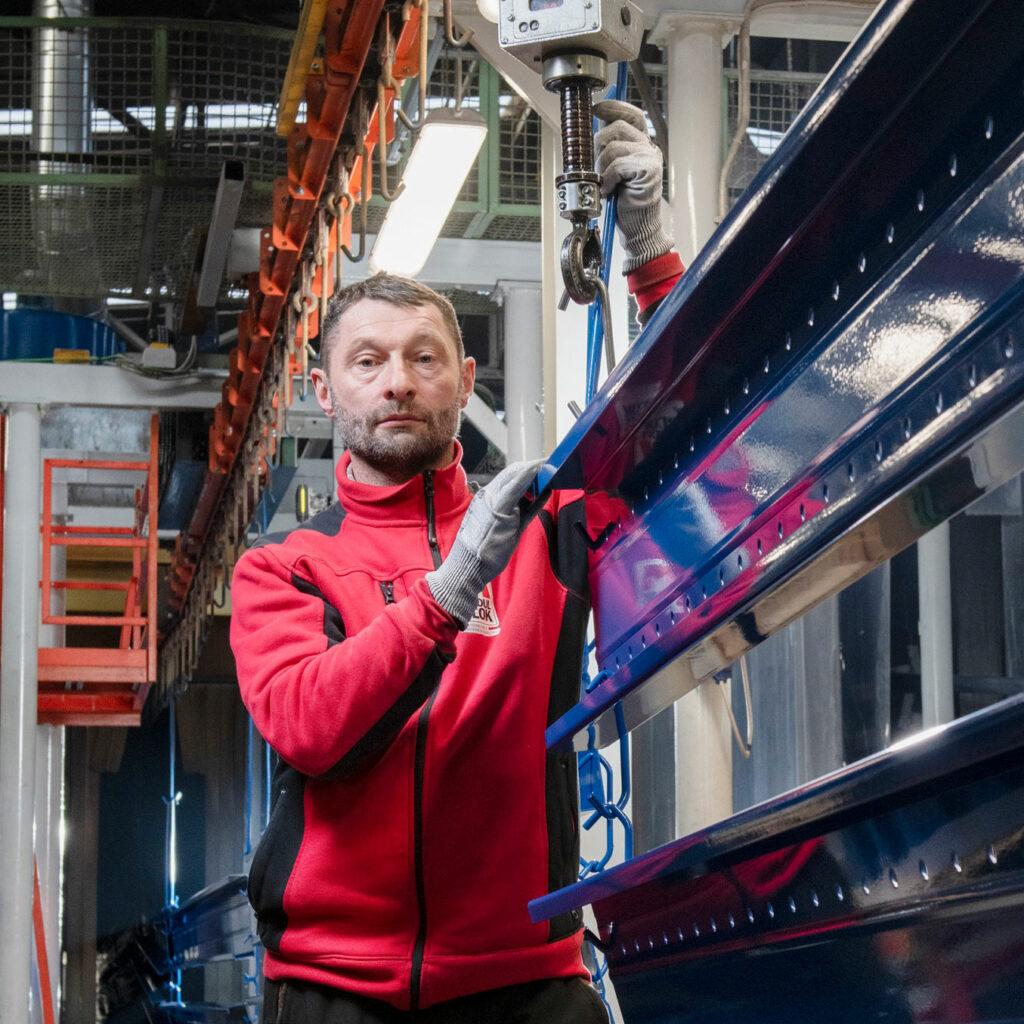
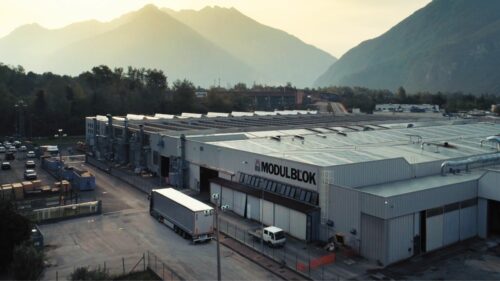
In recent years, the industrial racking sector has undergone a significant transformation. Growing attention to safety, the evolution of technical standards, and the increasing adoption of systems designed to operate in seismic environments have steadily raised the performance requirements placed on structural components. For manufacturers, this shift extends well beyond product design. Meeting the demands of today’s market requires a comprehensive review of industrial processes, production technologies, and the methods used to manufacture the load-bearing elements of storage systems. Against this backdrop, Modulblok has invested in its production facility in Amaro, where a new highly automated roll-forming line dedicated to the manufacture of high-performance structural components has recently entered operation. The project was developed to support the evolution of the company’s product range and strengthen its ability to meet increasingly demanding engineering requirements.
When the market demands higher performance
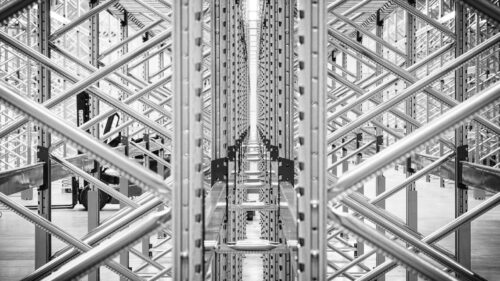
The widespread adoption of seismic design principles has profoundly reshaped the industrial racking industry. Today, storage systems are expected to deliver not only load-bearing capacity and operational reliability, but also structural performance that complies with increasingly stringent technical standards.
This evolution has driven growing demand for components that combine enhanced mechanical properties, greater dimensional accuracy, and consistently high quality over time.
At the same time, the increasing complexity of warehouse projects requires closer integration between engineering and manufacturing. The performance levels demanded by the market can no longer be achieved through structural calculations alone; they must be fully reflected in the technologies, processes, and production methods used to manufacture each component.
For this reason, many manufacturers are investing in production systems capable of combining automation, process control, and the processing of high-performance steel grades.
Investing in a new generation of uprights
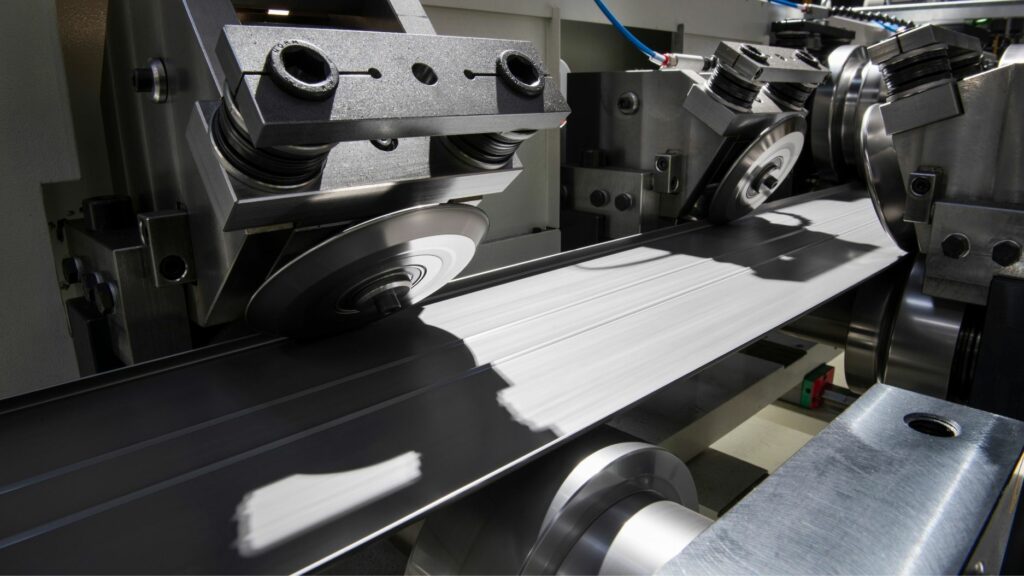
It is within this context that Modulblok launched a major development project in 2022, culminating in the installation of a new roll-forming line dedicated to the production of the G range—a family of uprights engineered for high-performance structural applications and specifically designed to meet the demands of projects with advanced seismic requirements.
The new production line has been designed to process galvanized S420 MC steel and accommodate a variety of dimensional configurations, expanding both manufacturing flexibility and the range of available engineering solutions.
Its capabilities, however, extend far beyond upright production alone. The line also supports the manufacture of other strategic product families, including components for cantilever systems and industrial mezzanines, with the ability to process S355 MC steel up to 5 millimetres thick.
The goal is to create stronger alignment between structural engineering and manufacturing capability, providing product engineers with production technologies that can support the increasingly demanding performance requirements of today’s market.
Manufacturing meets digitalisation: the role of automation
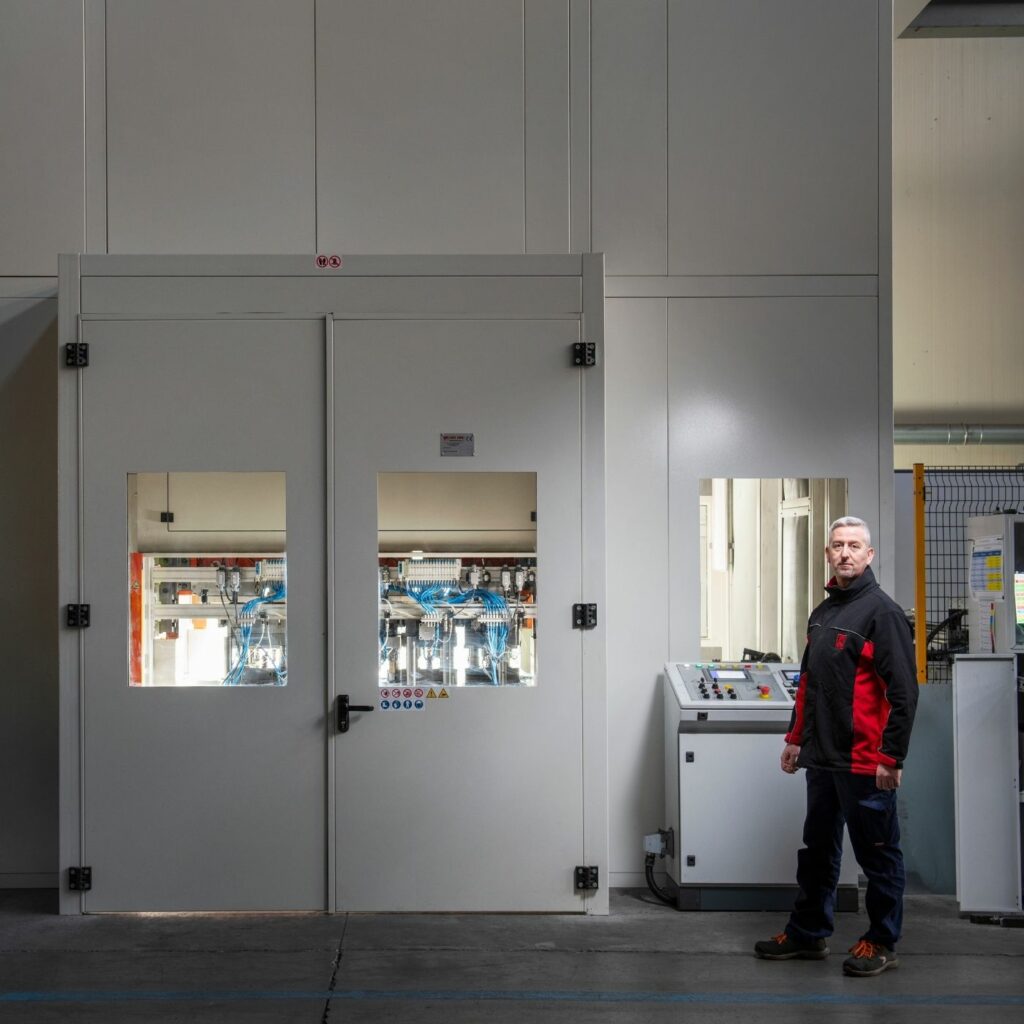
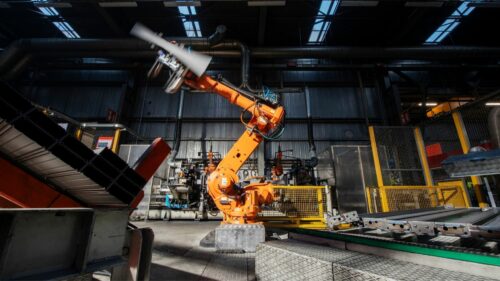
One of the most significant developments in modern roll-forming technology is the integration of production equipment with digital systems. In the case of the new line installed at the Amaro facility, direct communication between the MES and PLC enables the automatic adjustment of multiple process parameters, reducing manual setup activities and enhancing production stability.
Automation supports the continuous management of the entire manufacturing cycle, from coil feeding through to the packaging of the finished product. The data collected throughout production helps monitor operating parameters and contributes to maintaining high levels of quality, consistency, and repeatability.
This approach reduces process variability and provides greater control over the final characteristics of each profile—an especially important factor when manufacturing components designed to perform a structural function.
Industrial Efficiency and Process Sustainability
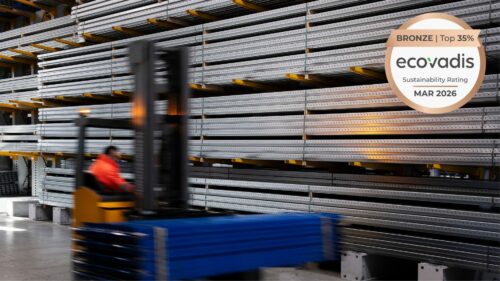
In modern manufacturing, sustainability is increasingly linked to the ability to optimise resource utilisation and improve production efficiency. Highly automated equipment, integrated control systems, and processes designed for continuous operation help eliminate non-value-added activities, reduce inefficiencies, and make more effective use of raw materials.
The evolution of manufacturing technologies therefore serves a dual purpose. On one hand, it enables companies to meet the technical demands of increasingly complex markets; on the other, it supports the development of more efficient, controllable industrial models built around continuous improvement.
Industrial sustainability is also defined by the ability to design processes that deliver consistent quality, minimise waste, and maximise the effective use of available resources.
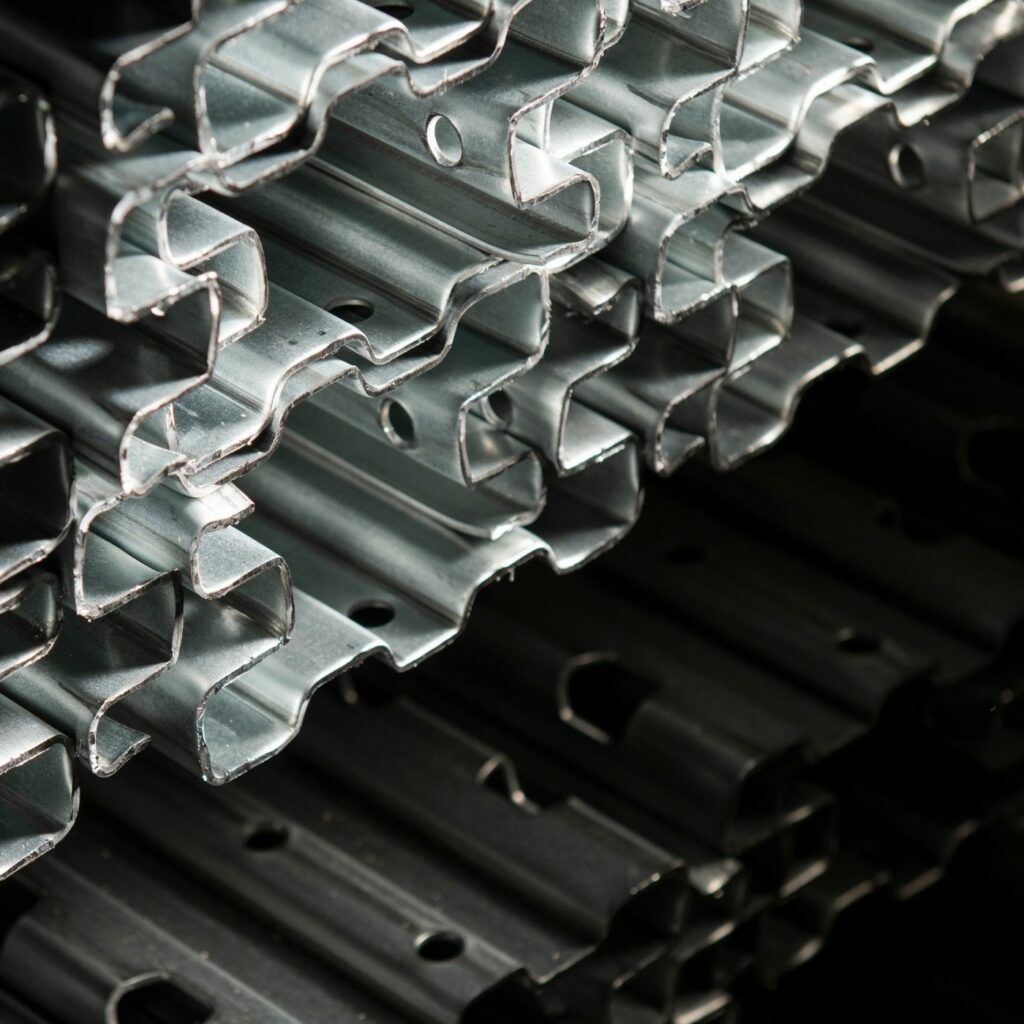
The growing complexity of industrial applications now demands close integration between structural engineering, materials, manufacturing technologies, and control systems. Within this framework, Modulblok’s investment in its new roll-forming line provides a tangible example of how the evolution of manufacturing processes can support the advancement of product performance. It is not simply the introduction of a new machine, but the development of an industrial system designed to meet increasingly demanding requirements for safety, performance, and reliability over the long term.
Read more news

Request a technical consultation
Describe your needs: our technical team will analyze the information to understand the operational context and provide you with feedback as quickly as possible.