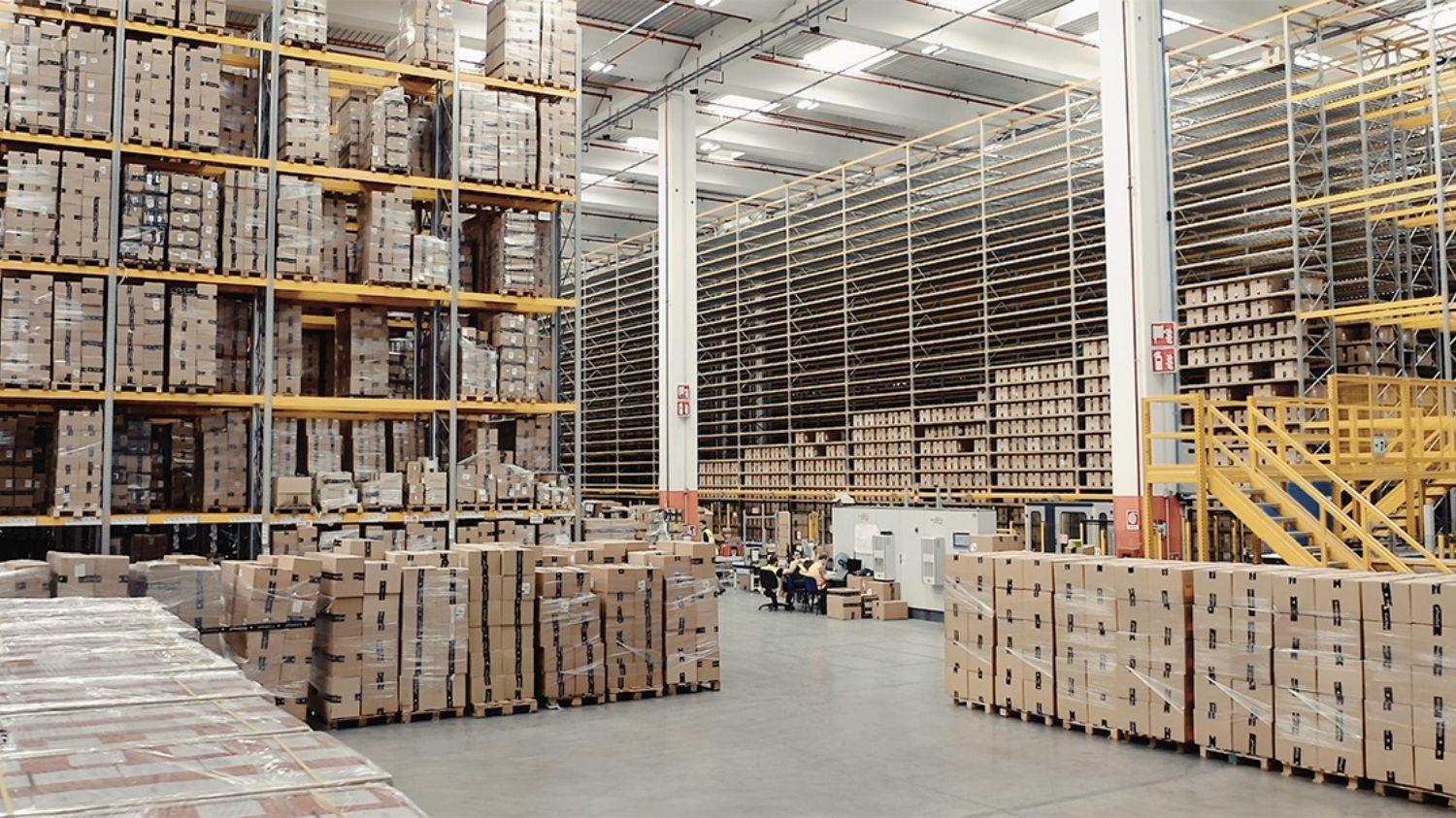
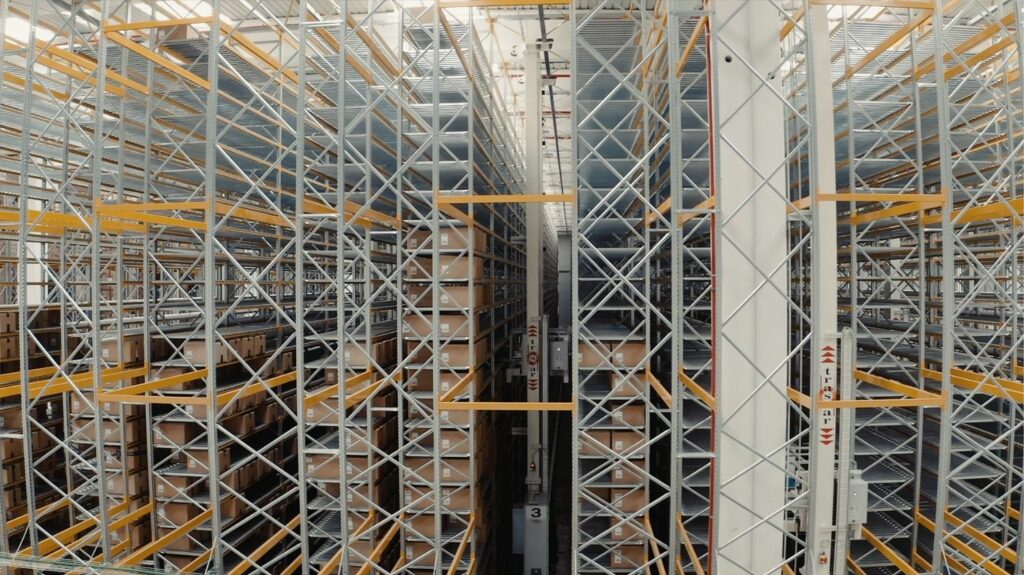
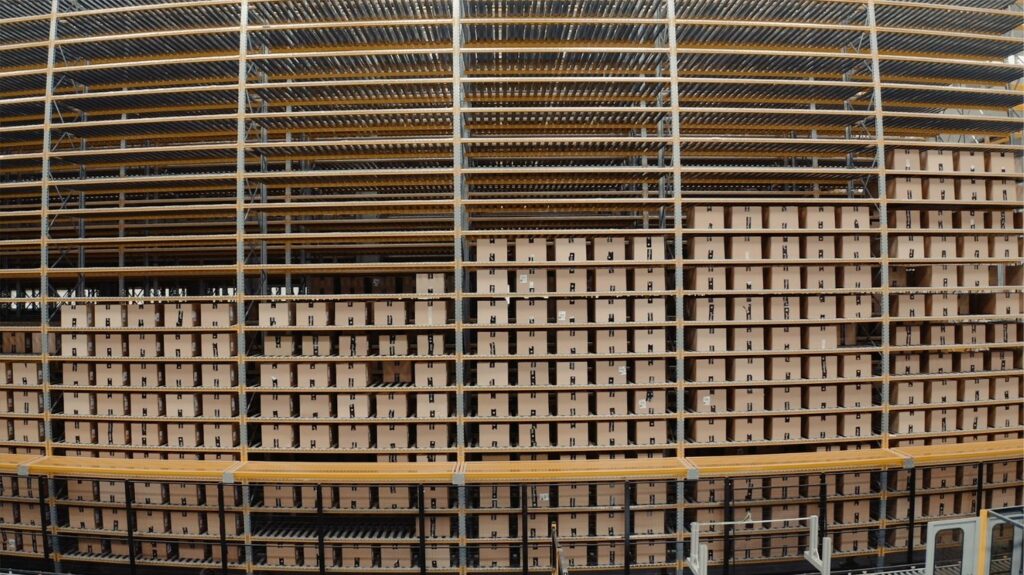
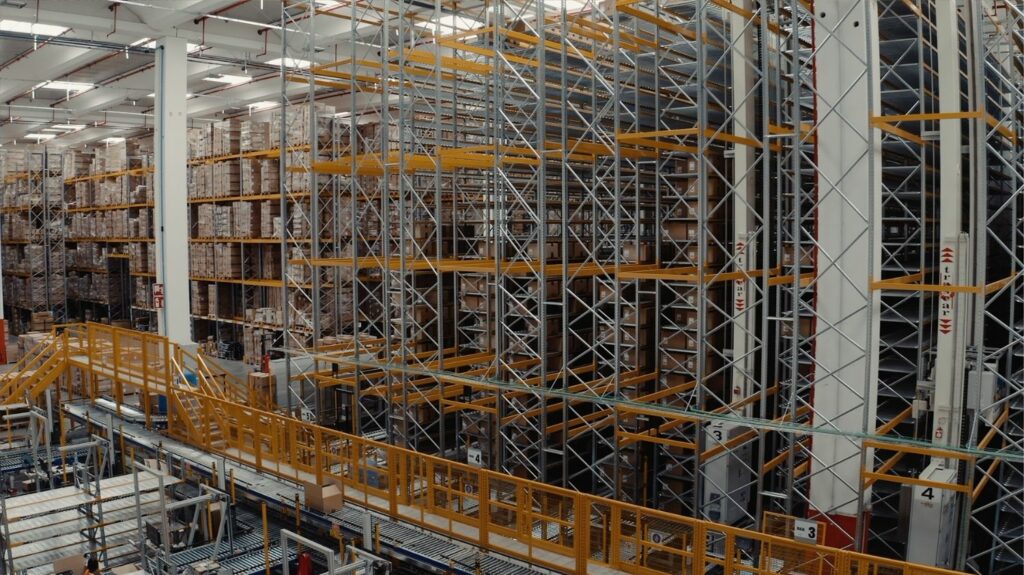
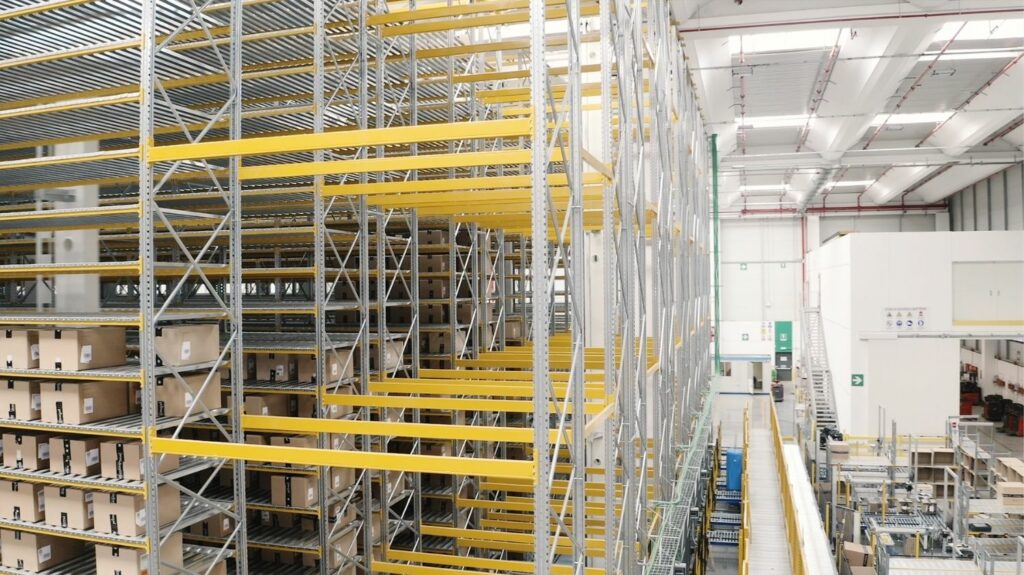
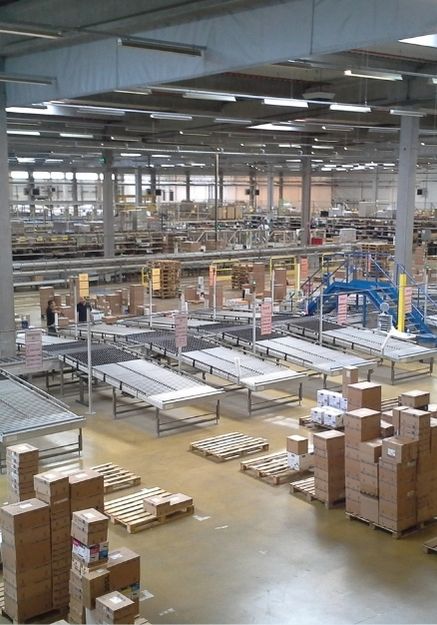
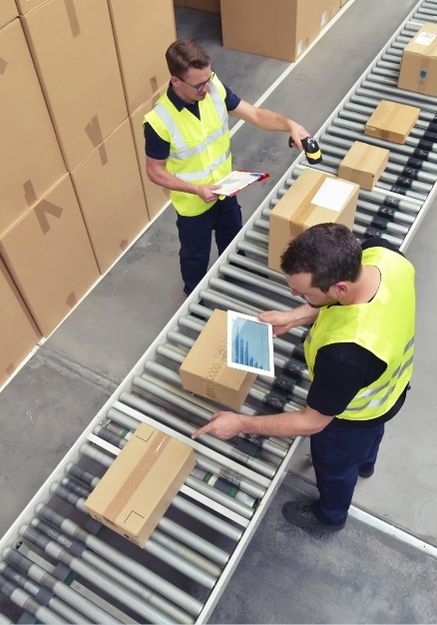
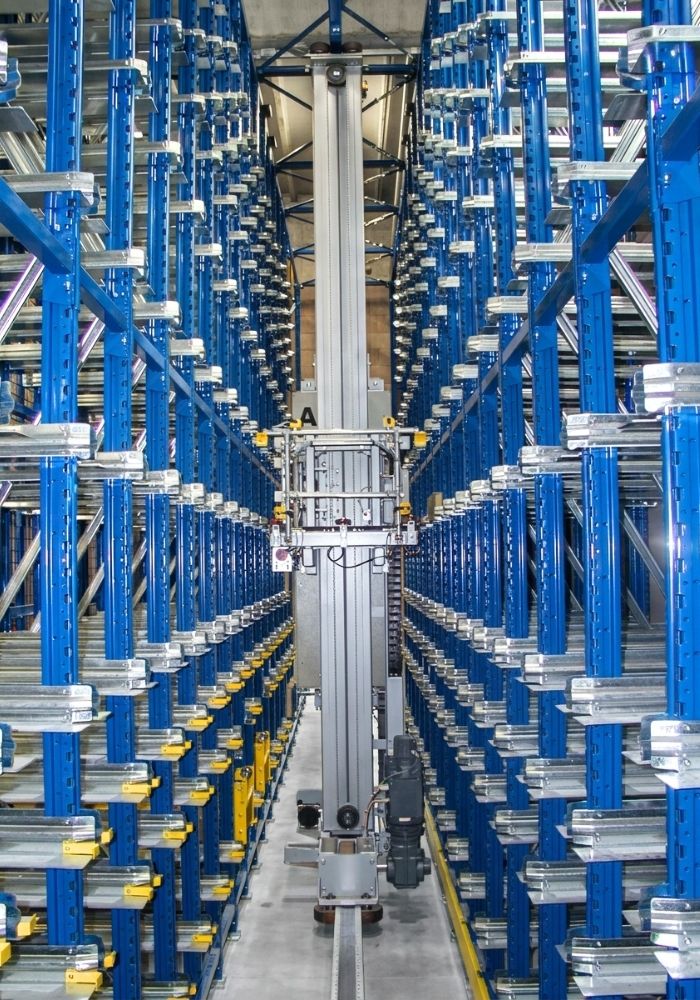
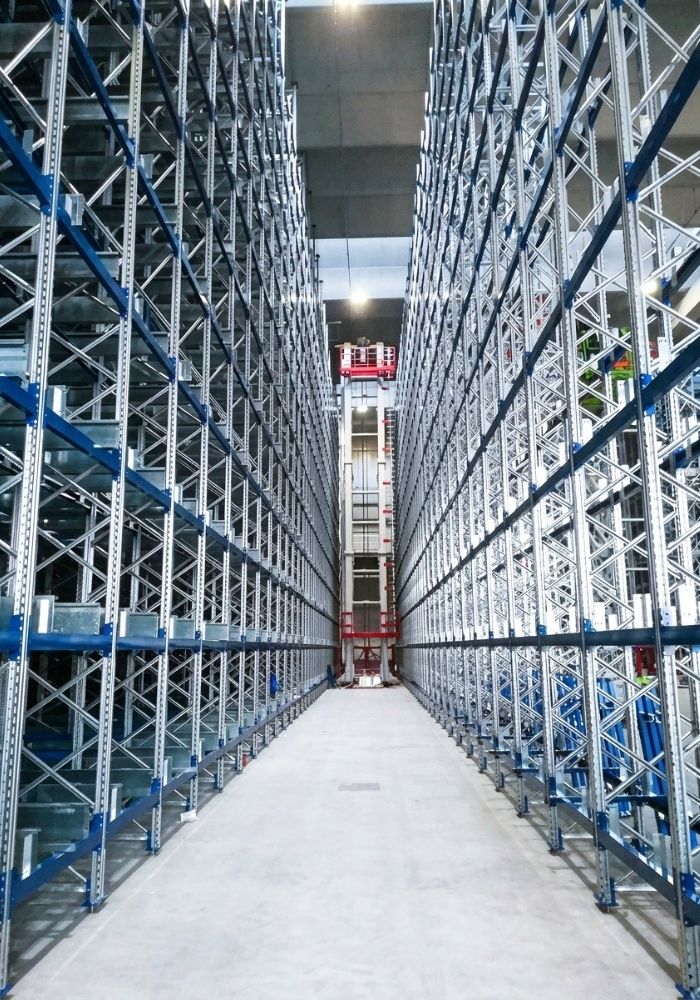
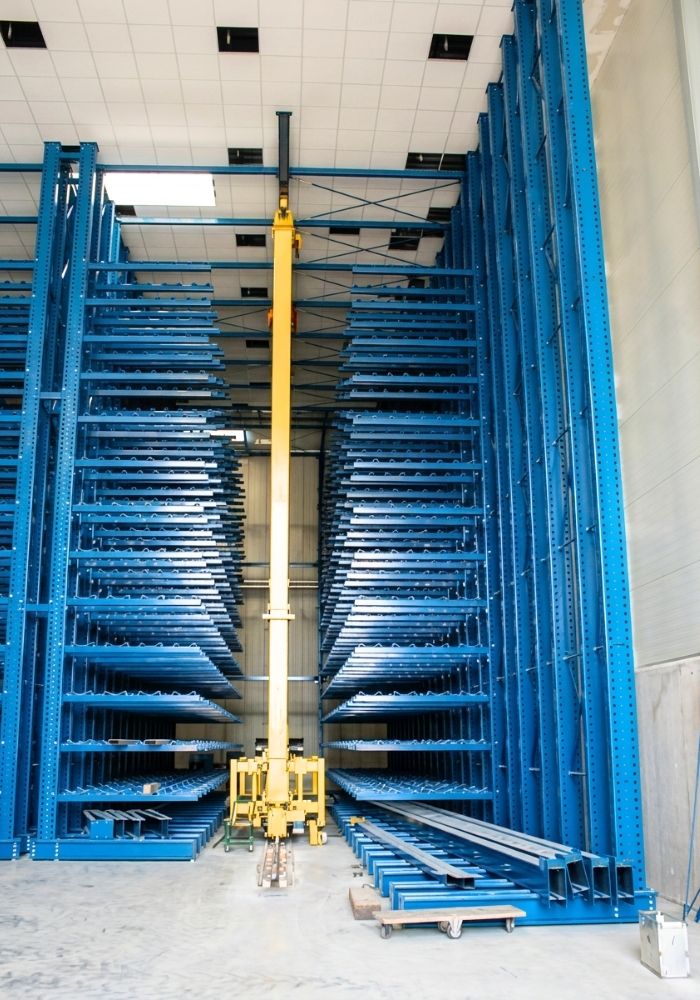
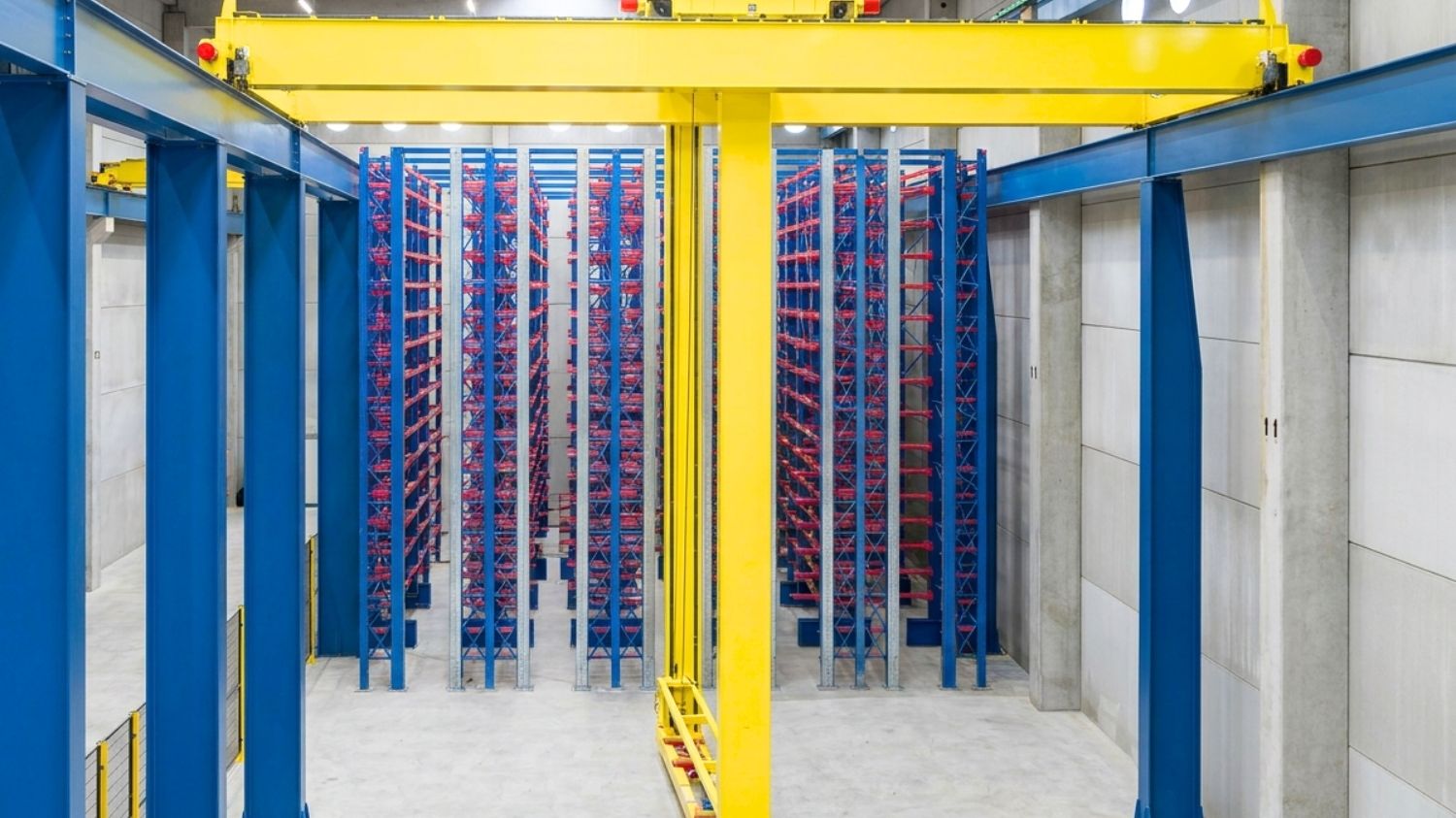
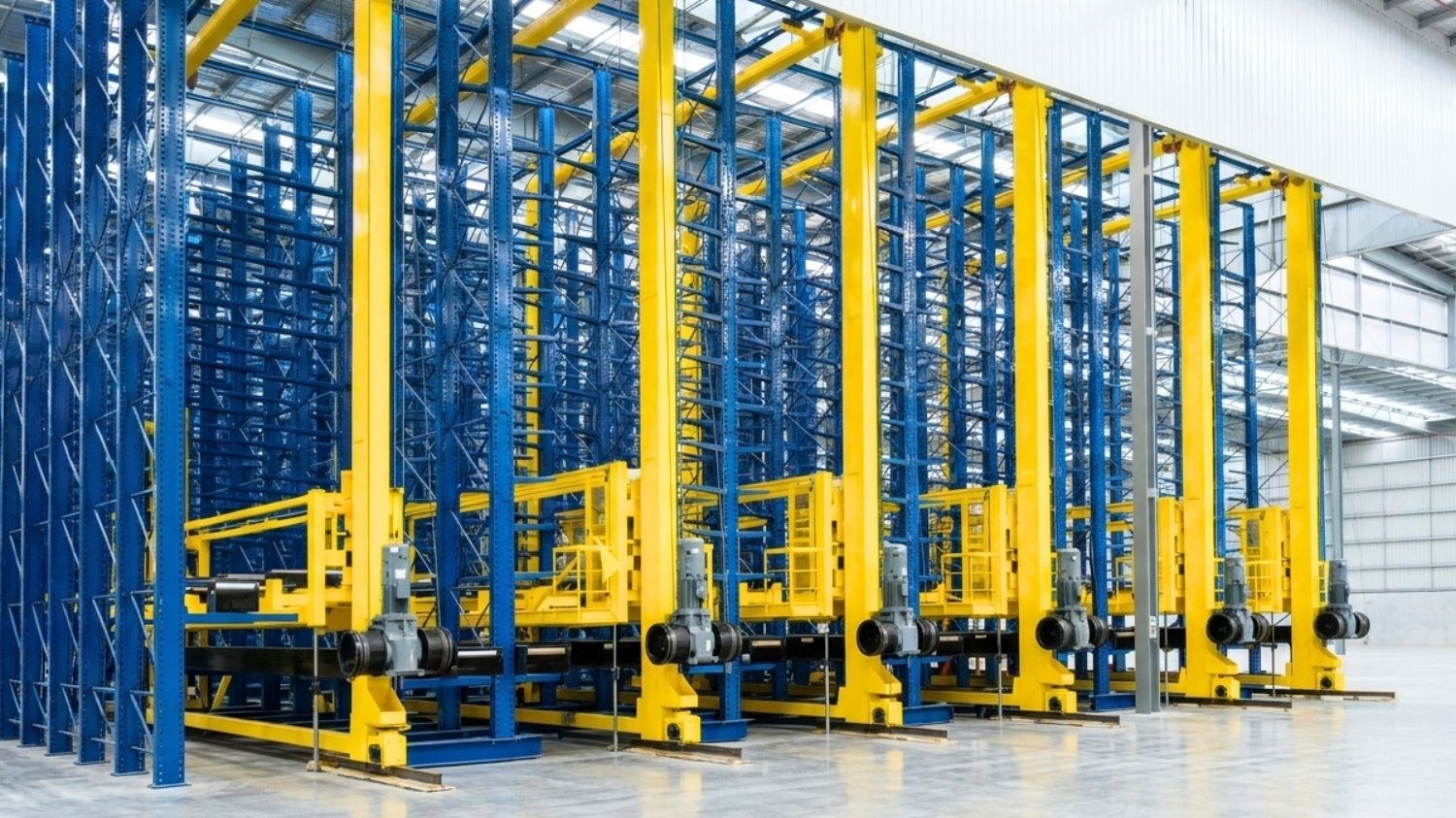
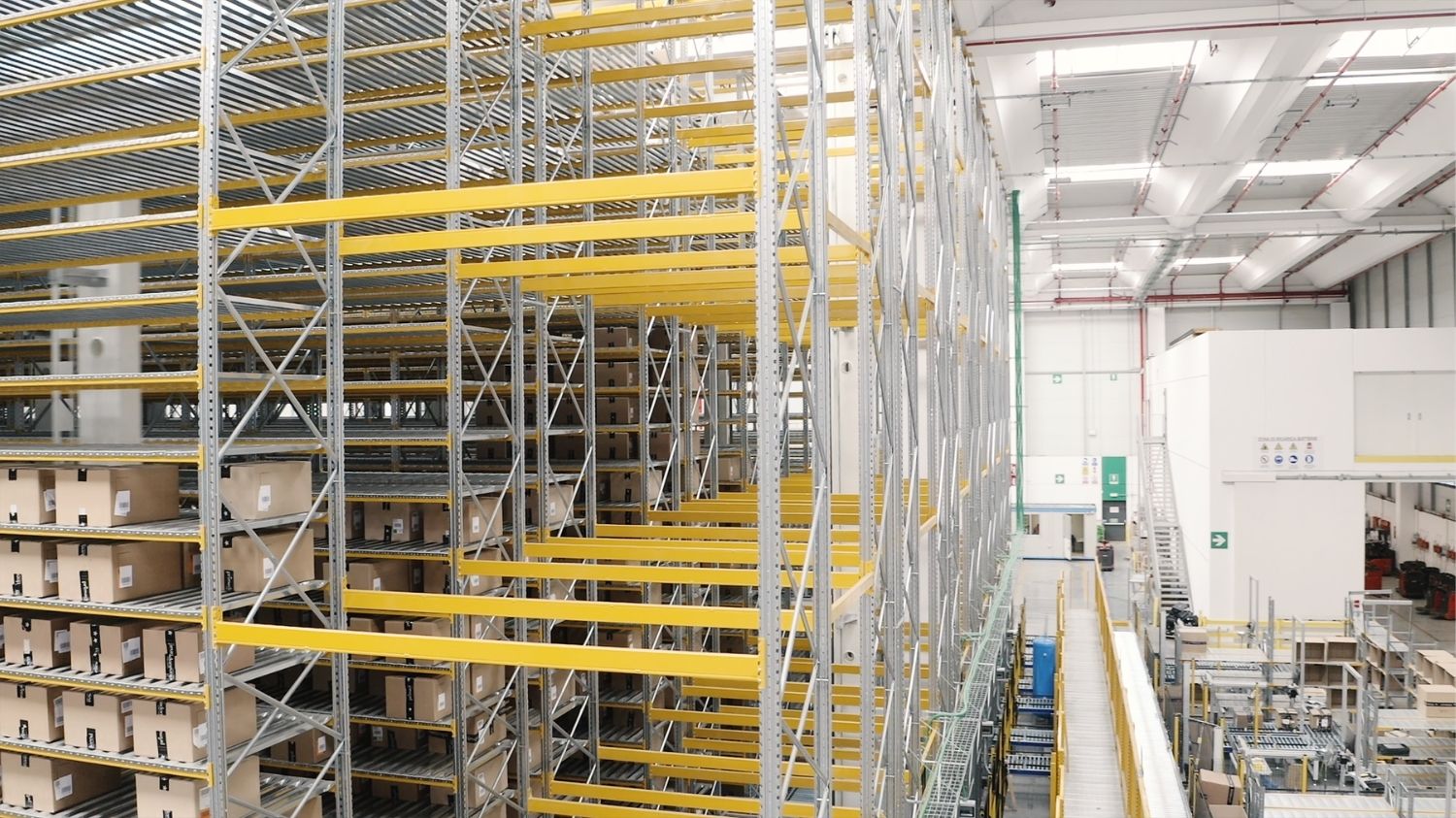
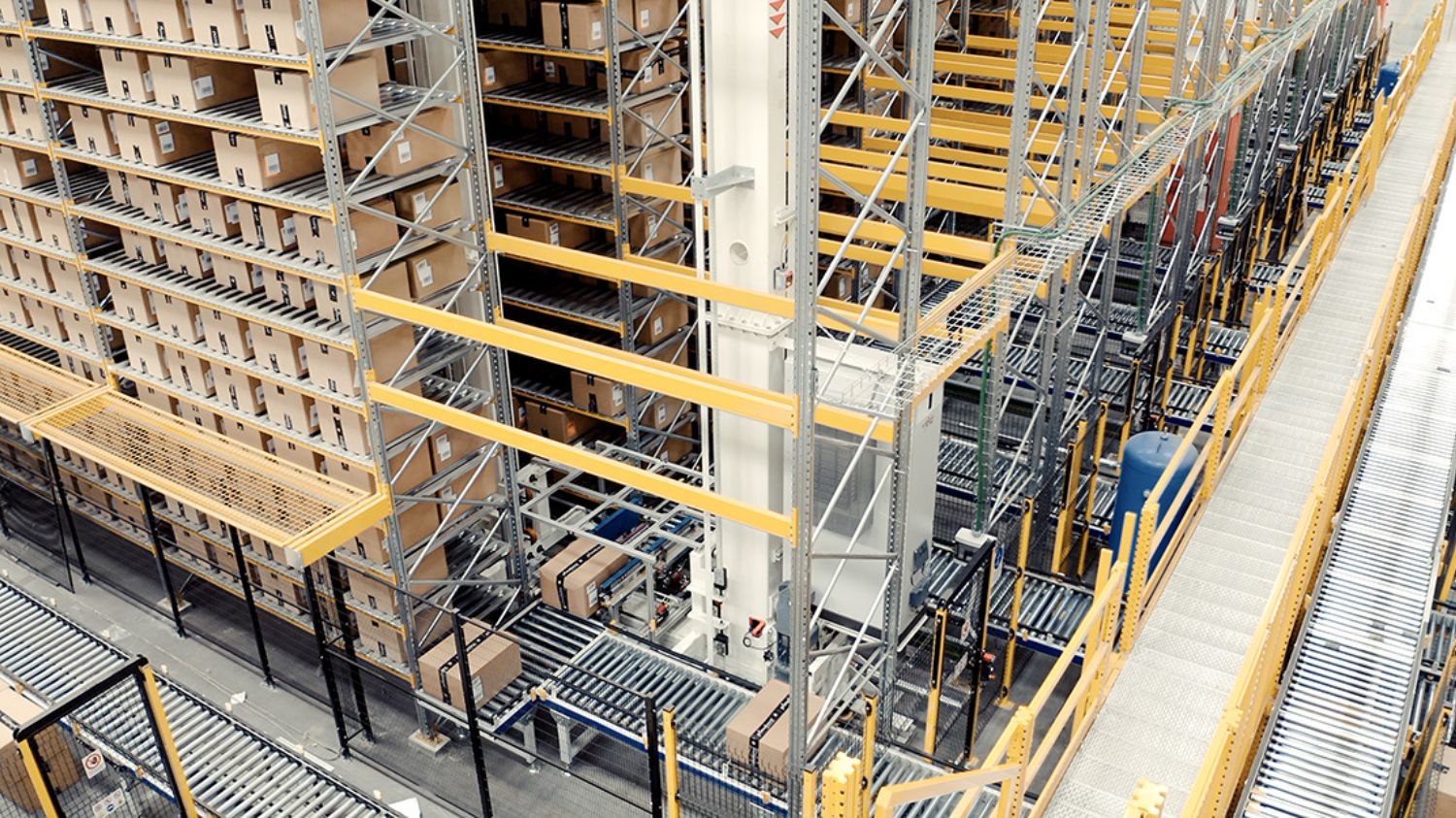
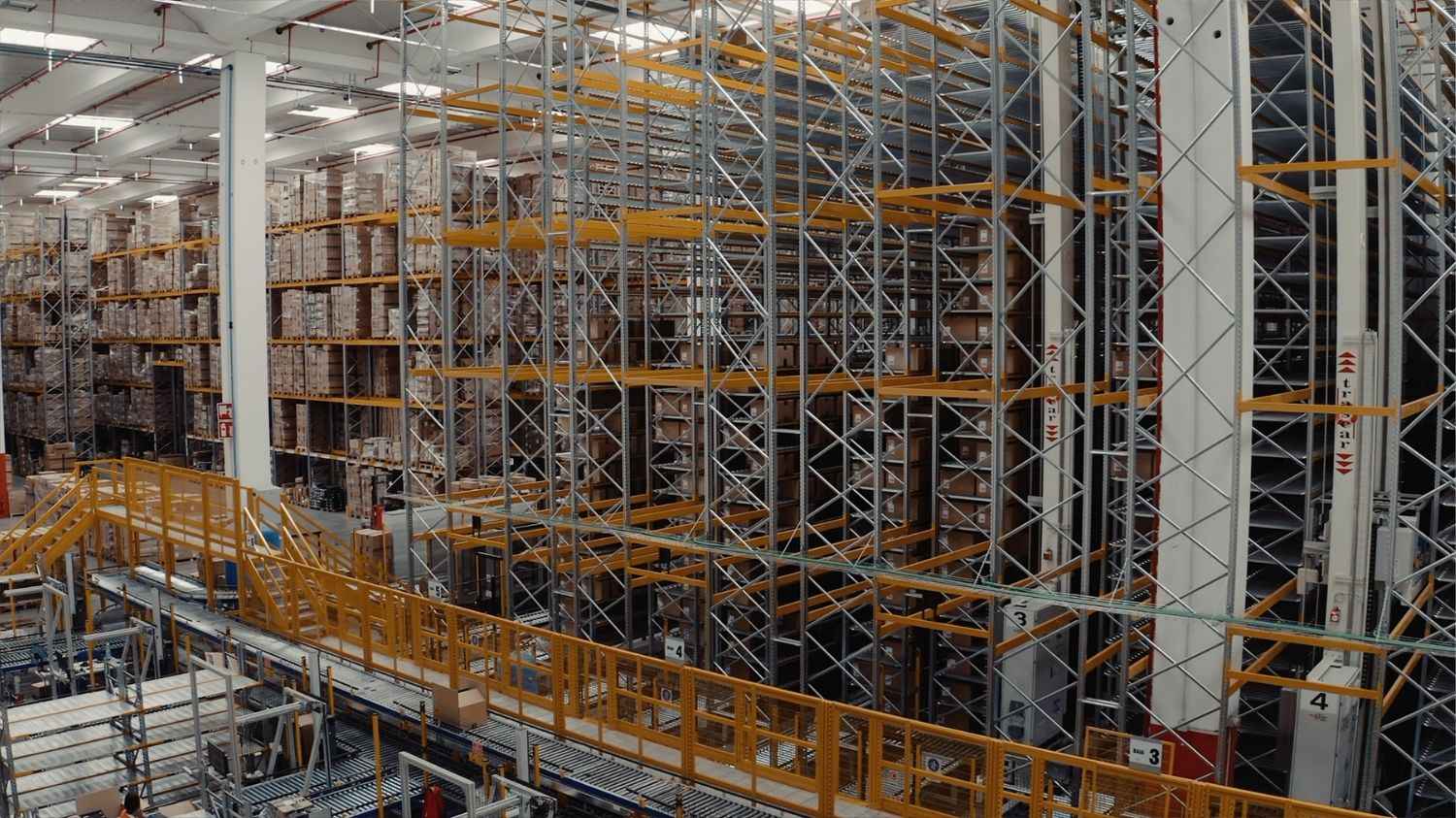
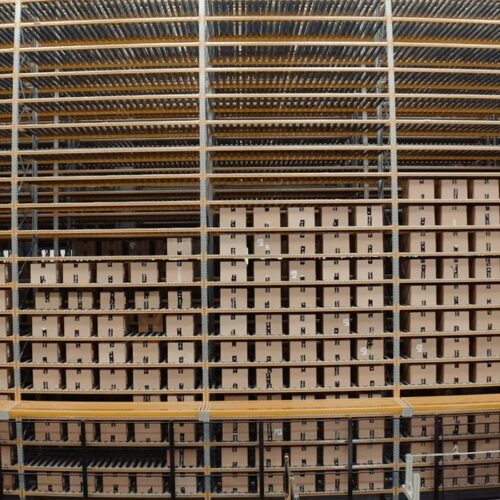
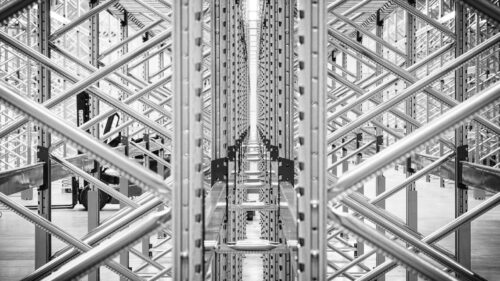
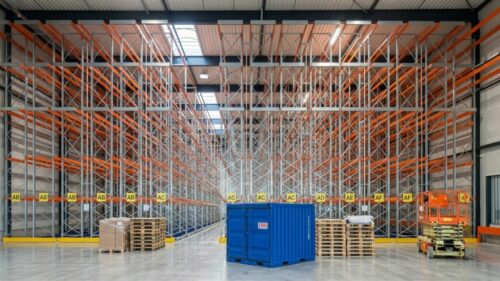
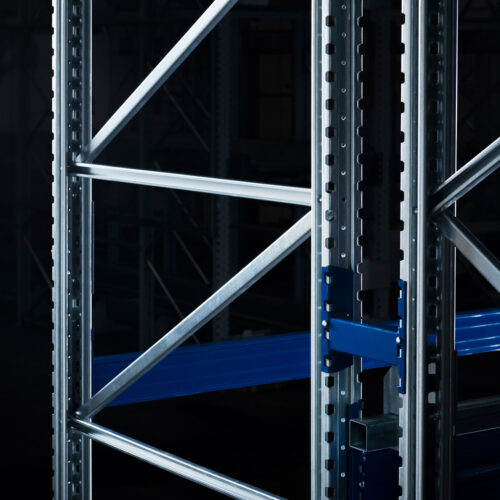
The technology is based on dedicated stacker cranes operating within multi-level racking structures, automatically handling load units and transferring them to integrated conveying systems and workstations. The system operates according to goods-to-person principles: materials are automatically delivered to the operator, reducing manual travel and increasing efficiency, accuracy and operational continuity. Unlike systems designed primarily to maximise storage density, miniload solutions are engineered to optimise the dynamic management of SKUs and support intensive picking operations with high levels of reliability and traceability. System performance depends on the integration of structure, automation and warehouse flow management software (WMS/WCS), which coordinates stacker cranes, conveyors, buffers and workstations. The adoption of a miniload system is driven not only by storage capacity requirements, but above all by the need to efficiently manage frequent picking activities, a large number of SKUs and high-intensity operational flows.
Miniload systems are particularly suitable in environments where:
01_the number of SKUs is high and requires fast, selective access
02_picking is a core stage of the logistics process
03_load units are lightweight, standardised and characterised by high turnover
04_high levels of accuracy, traceability and operational continuity are required
Miniload systems are particularly effective for e-commerce operations, spare parts distribution, component storage, retail logistics and manufacturing environments characterised by just-in-time processes or automated line buffers. Modulblok analyses these parameters during the design phase to correctly size the system and evaluate the optimal balance between operational performance, scalability, ergonomics and investment sustainability.

01
Miniload systems are particularly suited to environments characterised by a large number of SKUs and the intensive handling of bins, containers and trays. Automation enables storage locations to be organised in a structured and dynamic way, reducing search times, picking errors and unnecessary material movements.
02
Miniload systems are particularly effective when picking operations require high frequency, speed and operational continuity. The integration of stacker cranes, ergonomic picking stations and warehouse management software enables goods-to-person workflows, increasing both productivity and picking accuracy.
03
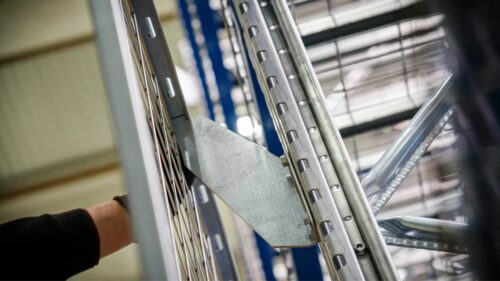
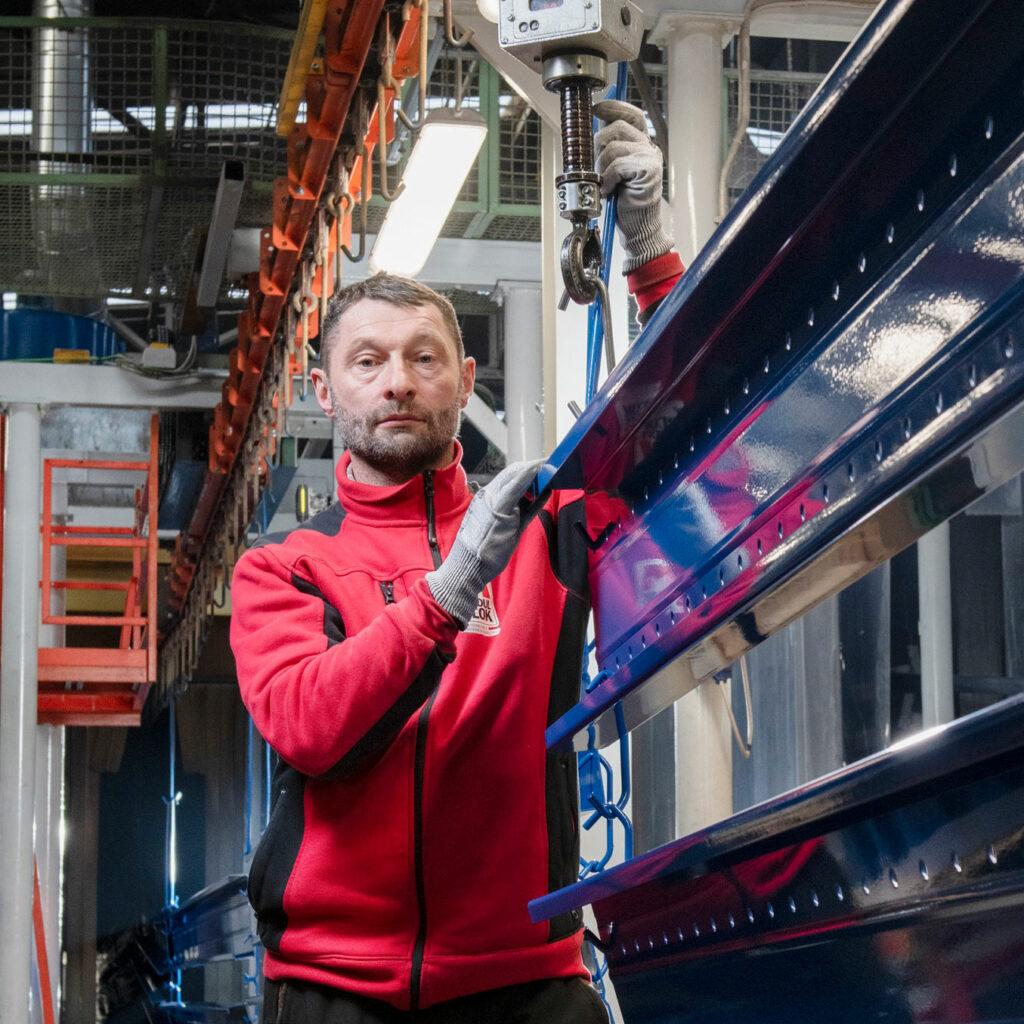
Miniload technology enables efficient use of vertical warehouse space while maintaining a high level of accessibility to stored load units. The compact system design and automated handling processes increase storage capacity while reducing the footprint of operational areas dedicated to manual handling activities.
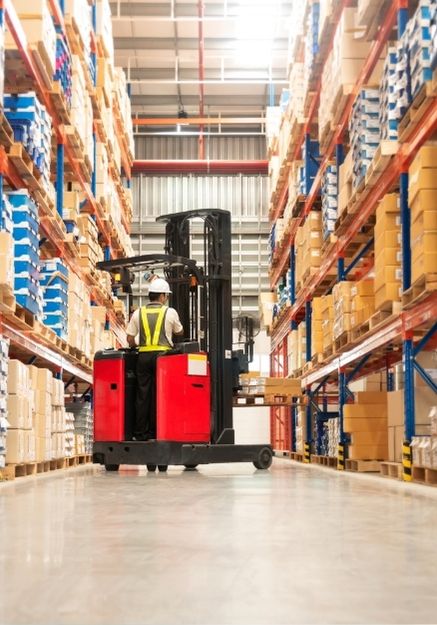
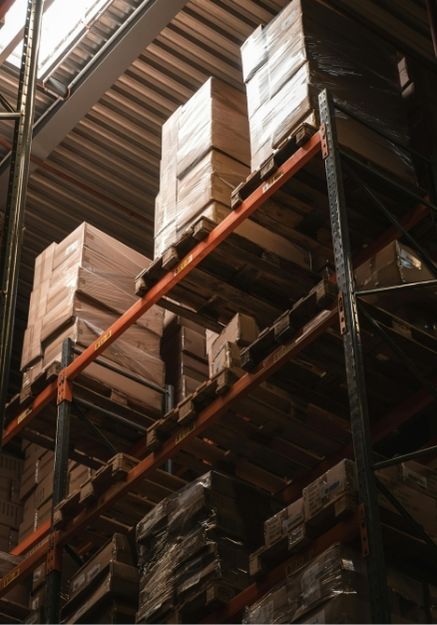
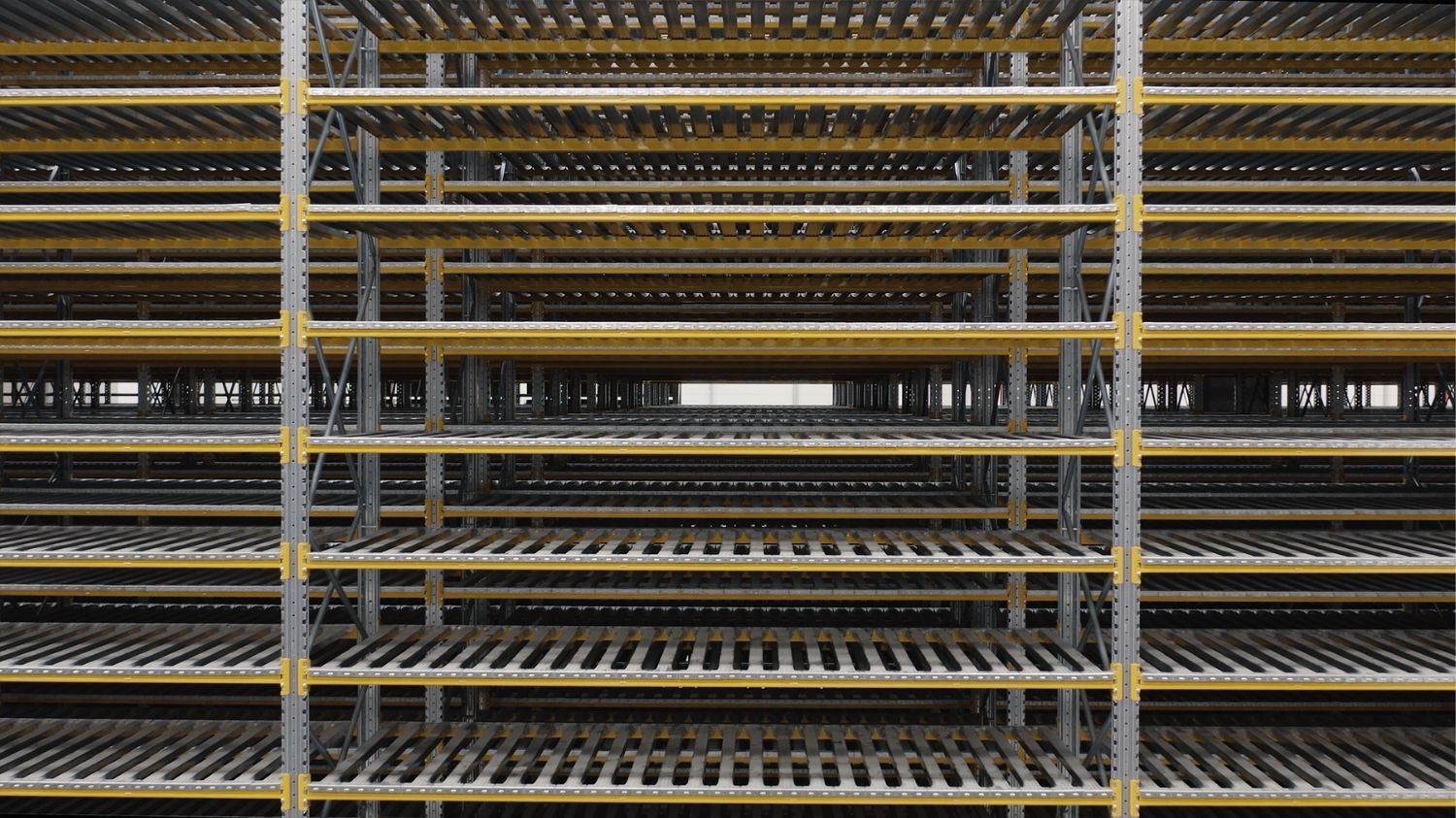
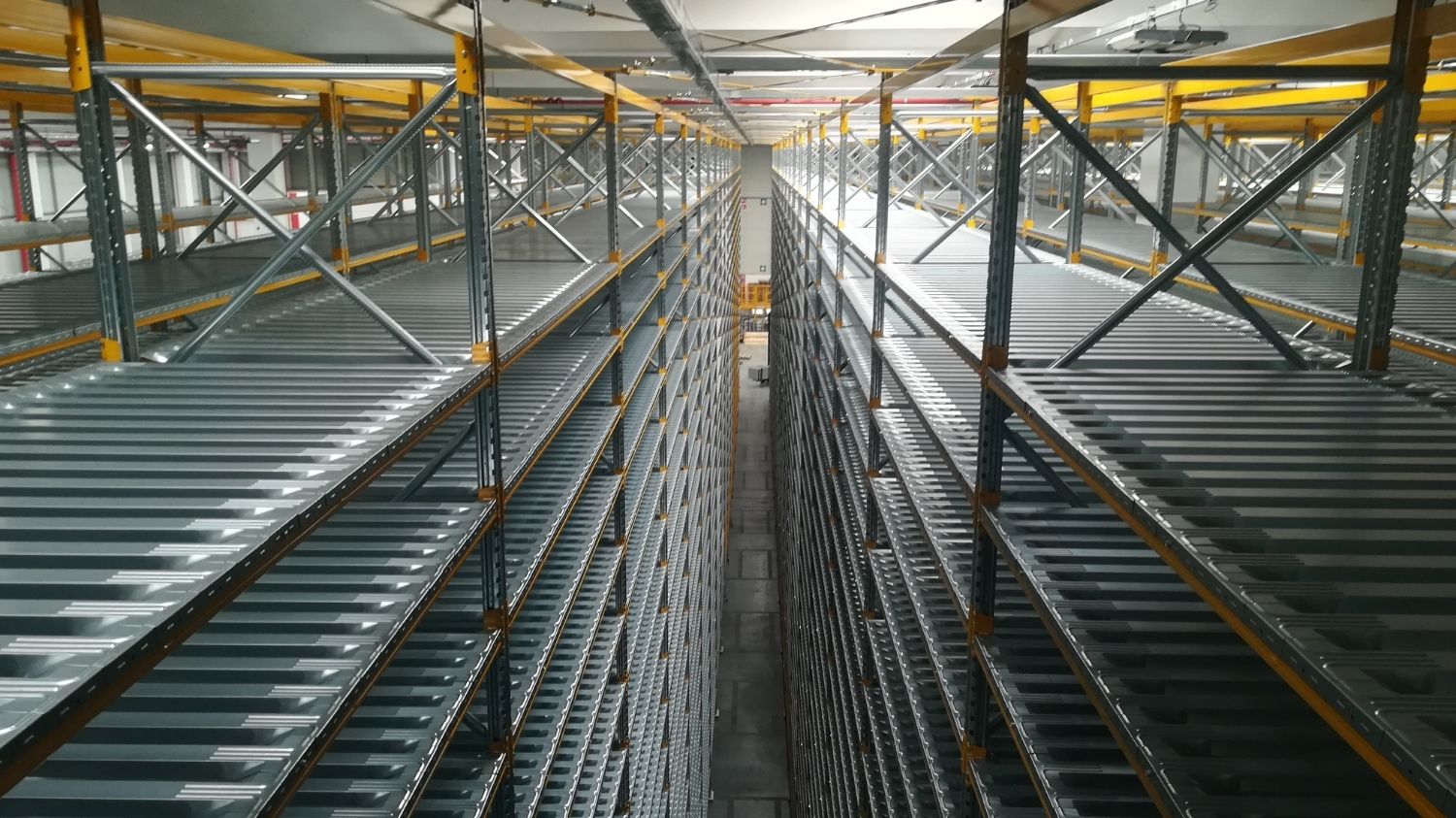
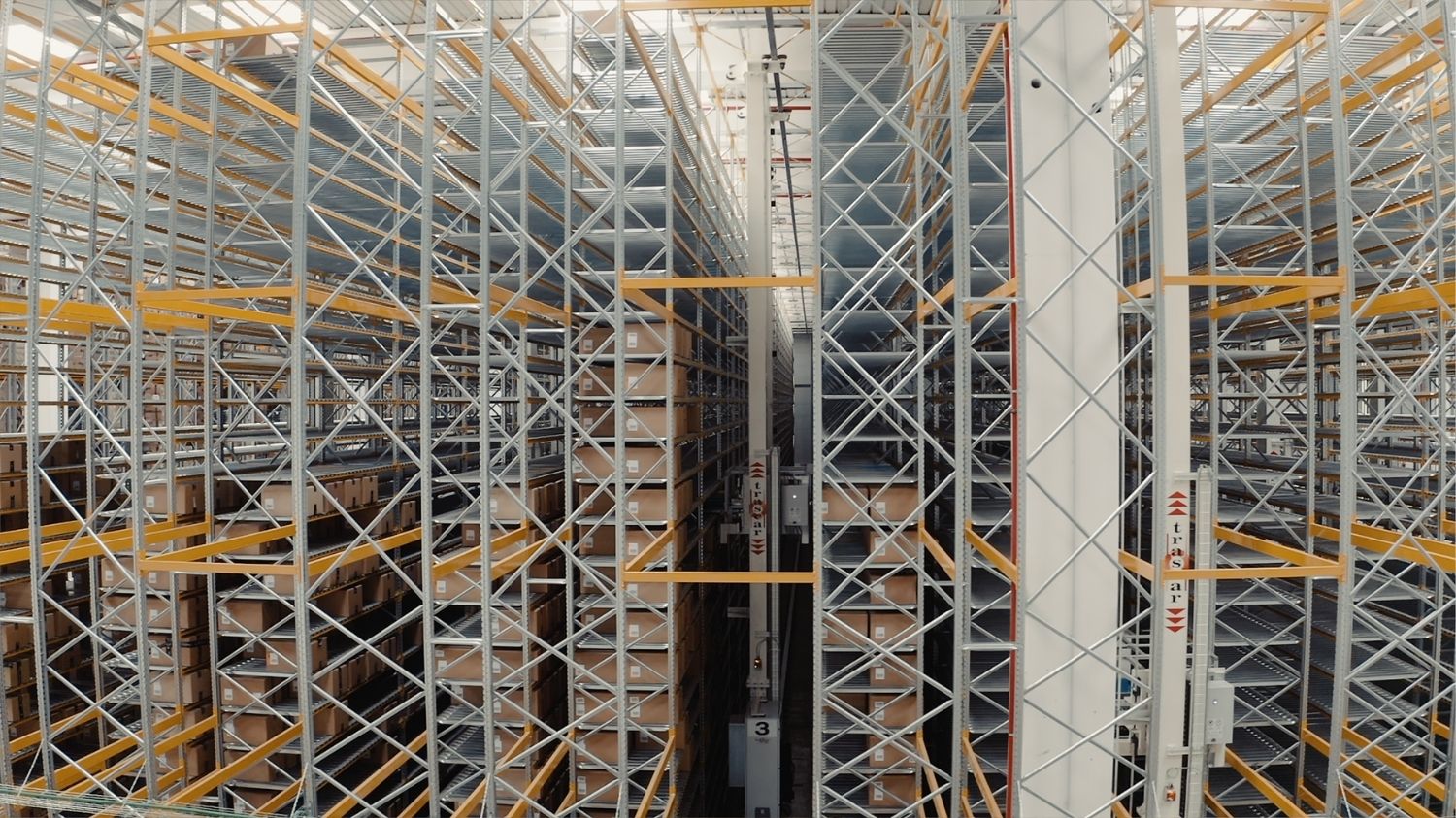
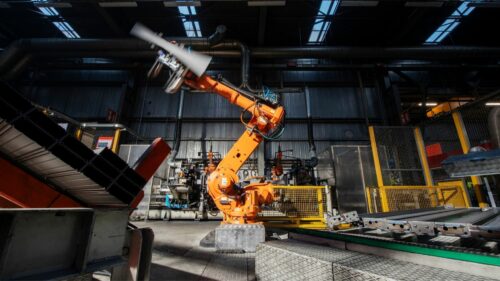
A selection of miniload material handling solutions showcasing different system configurations, including automated flow management, integration with conveying systems and optimisation of operational performance.
Warehouse Engineering is Modulblok’s editorial platform dedicated to the industrial culture of modern intralogistics. Created to analyse and interpret the transformations shaping today’s warehouse systems, it offers a space for insight, knowledge sharing and industry perspectives. Through technical articles, market analysis and expert contributions, the magazine explores the technologies, operating models and engineering expertise that are redefining the role of logistics across industrial and distribution environments. Its objective is to provide a structured perspective on the sector, connecting technological innovation with storage system design and engineering to better understand the trends, challenges and opportunities shaping the future of warehousing and intralogistics.
Describe your needs: our technical team will analyze the information to understand the operational context and provide you with feedback as quickly as possible.