23 January 2026
Assessing supply chain sustainability: how Modulblok builds value through its supply chain
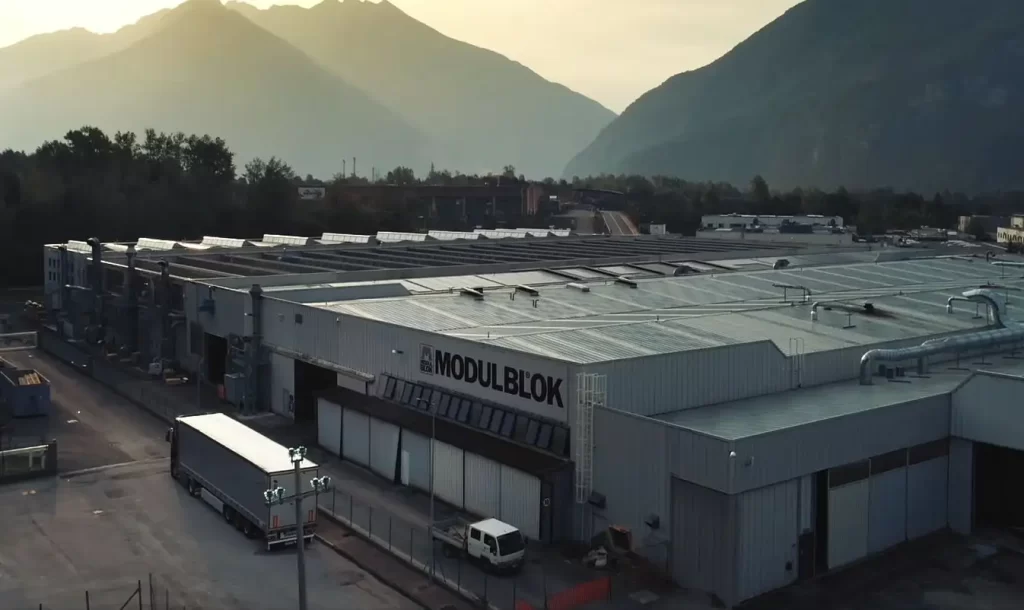
In recent years, sustainability has become one of the most decisive levers for industrial competitiveness. For a company such as Modulblok, operating at the core of logistics and metal manufacturing, sustainability is not a communication exercise but a structural factor for growth, reliability, and market positioning.
In this context, as early as 2025 Modulblok launched an advanced assessment of the sustainability of its supply chain, adopting a scientifically grounded model consistent with ESG (Environmental, Social, Governance) principles and aligned with the most recent European regulatory developments.
Although the European CSRD (Corporate Sustainability Reporting Directive) will progressively make sustainability reporting mandatory for an increasing number of companies from 2026–2027 onward, Modulblok chose to act in advance by voluntarily initiating a structured ESG assessment pathway, with the objective of publishing its first Sustainability Report in 2027 in compliance with the VSME standard.
Objectives: turning the Supply Chain into a strategic asset
This initiative was not designed to introduce rigid supplier qualification mechanisms, but rather to achieve a deeper goal: building an objective map of supply chain impacts and risks and integrating it into the company’s industrial governance.
The main objectives were:
- to understand where the most significant environmental and social impacts are generated along the product life cycle;
- to assess the company’s exposure to environmental, social, and reputational risks;
- to provide Modulblok with a solid decision-making basis to consciously guide future procurement policies.
In essence, making sustainability a strategic lever for industrial growth.
Methodology: scientific rigor with a proportionate approach
The assessment was built according to the principle of double materiality:
- inside-out: the impacts of Modulblok’s activities on the environment and society;
- outside-in: external ESG factors influencing risks, costs, operational continuity, and corporate reputation.
The methodological framework was developed in alignment with the CSRD and the VSME standard for SMEs, ensuring a high level of scientific robustness while remaining proportionate to the company’s size.
The main tools used included:
- structured analysis of internal purchasing data;
- a proprietary ESG questionnaire, inspired by ESRS standards, distributed to suppliers through a digital platform;
- integration of public sources and official databases;
- sector proxies and benchmarks to ensure comparability and statistical reliability of the results.
From Data to Action: KPIs Across the Product Life Cycle
To connect the ESG assessment to real industrial processes, Modulblok integrated spend analysis with a simplified LCA (Life Cycle Assessment) mapping, identifying six key phases of the value chain:
- Raw material sourcing
- Steel processing and manufacturing
- Surface treatments
- Assembly and internal logistics
- Packaging and distribution
- Product use and end-of-life
For each phase, environmental, social, and governance KPIs were defined and are now integrated into the supply chain monitoring system.
Results: examples of excellence within Modulblok’s supply chain
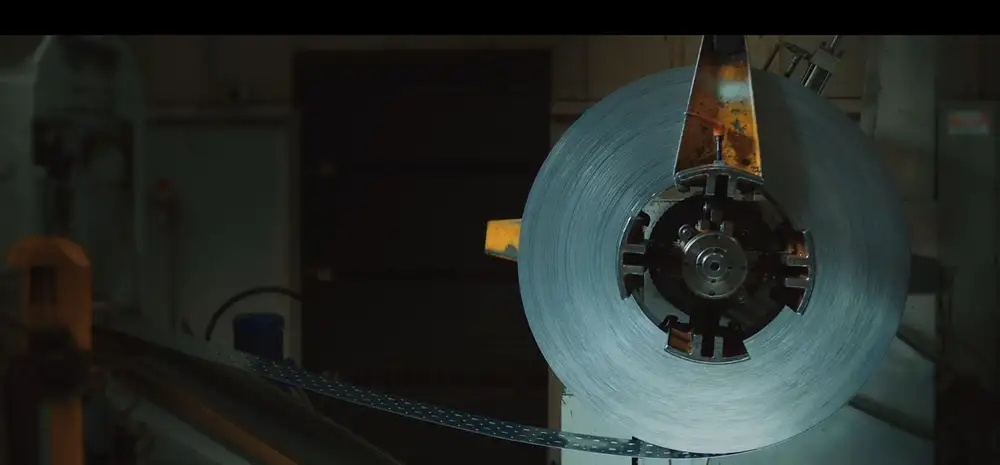
The analysis made it possible to clearly identify several supply chain partners with particularly strong ESG performance, confirming the quality and reliability of the industrial ecosystem in which Modulblok operates.
Among these, for example:
- operators in the steel industry with a high share of recycled material, internationally recognized sustainability certifications, and transparent governance systems;
- suppliers in the tools and technical materials sector with structured ESG reporting, environmental and safety certifications, and significant shares of renewable energy use;
- companies specialized in surface treatment processes with certified quality, environmental, and safety management systems and concrete emission reduction programs.
These examples confirm how a supply chain selected according to rigorous industrial criteria can become a true multiplier of value also from a sustainability perspective.
Outlook: governing the Supply Chain of the future
The path undertaken represents the first step toward an ESG governance system increasingly integrated into the company’s strategy.
The main development directions include:
- progressive integration of ESG criteria into procurement processes;
- targeted supplier engagement programs;
- strengthened ESG traceability across the entire supply chain, including indirect suppliers;
- further development of the Supply Chain ESG Policy;
- full alignment with CSRD reporting requirements.
For Modulblok, supply chain sustainability is not a constraint, but a competitive, industrial, and reputational lever.
It is within the quality of the supply chain that the solidity of tomorrow’s business is built: more resilient, more reliable, and more oriented toward long-term value.
The supply chain represents one of the fundamental pillars on which Modulblok is building its ESG strategy.