
| SectorIndustria |
Carrara S.p.A. is one of the leading European players in the design and manufacturing of sealing systems for the process industry, with consolidated expertise in packings, gaskets, and solutions for valves and pumps. In a context characterized by high customization and a strong R&D orientation, the management of components and moulds represents a critical factor in ensuring production continuity, reliability, and operational accuracy.
Within this framework, the adoption of a vertical storage system represented a strategic lever to overcome the limitations of existing solutions. The storage system exhibited several structural constraints:
In addition, there was a clear need to improve organization and traceability while reducing operational inefficiencies associated with manual handling.
The project objective was therefore to implement an automated vertical storage system capable of:
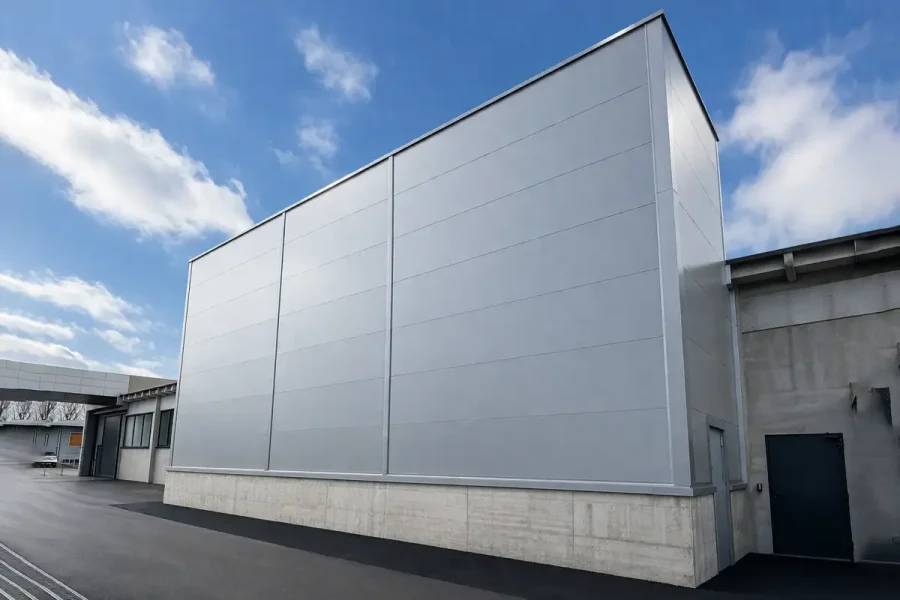
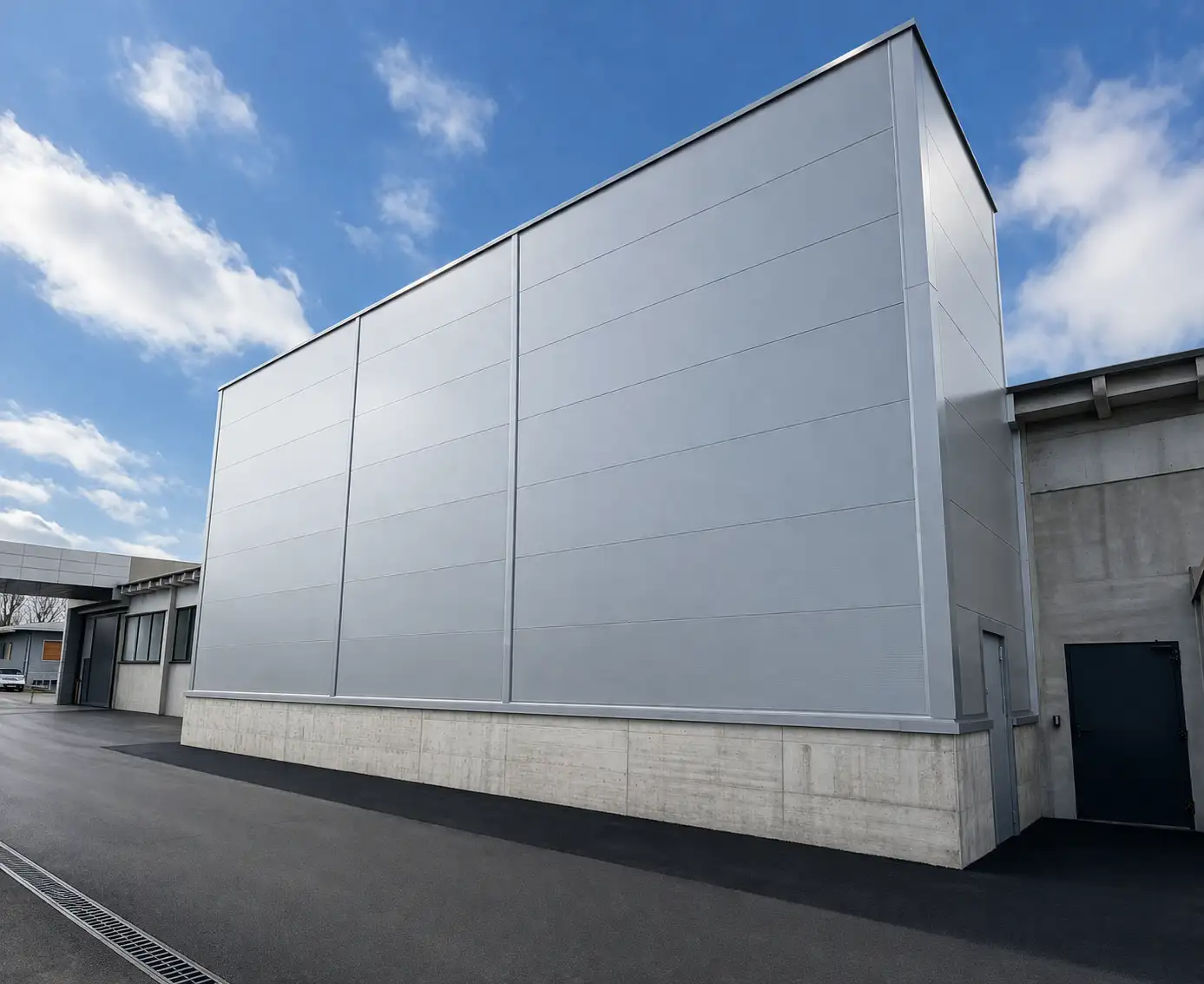
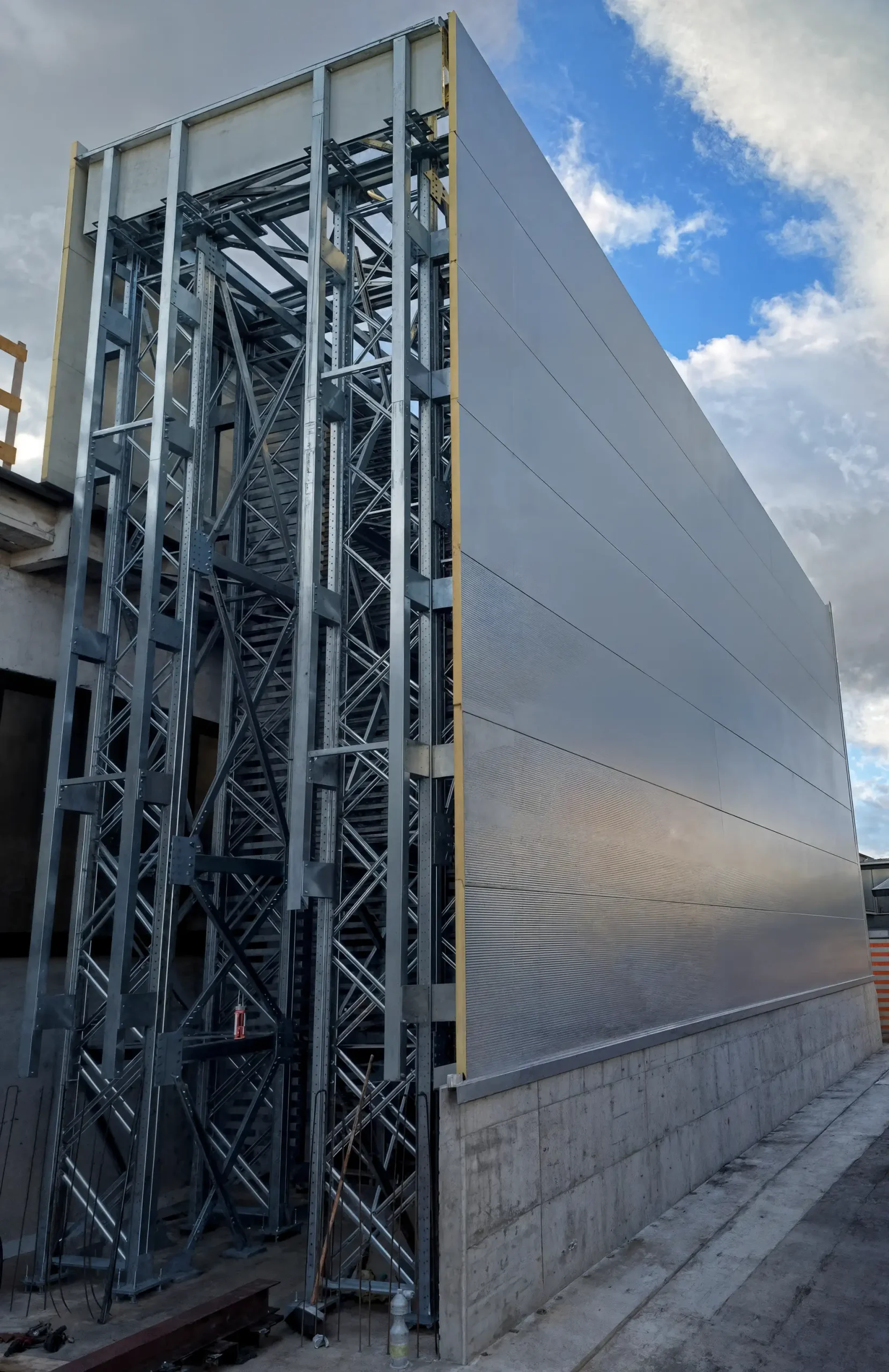
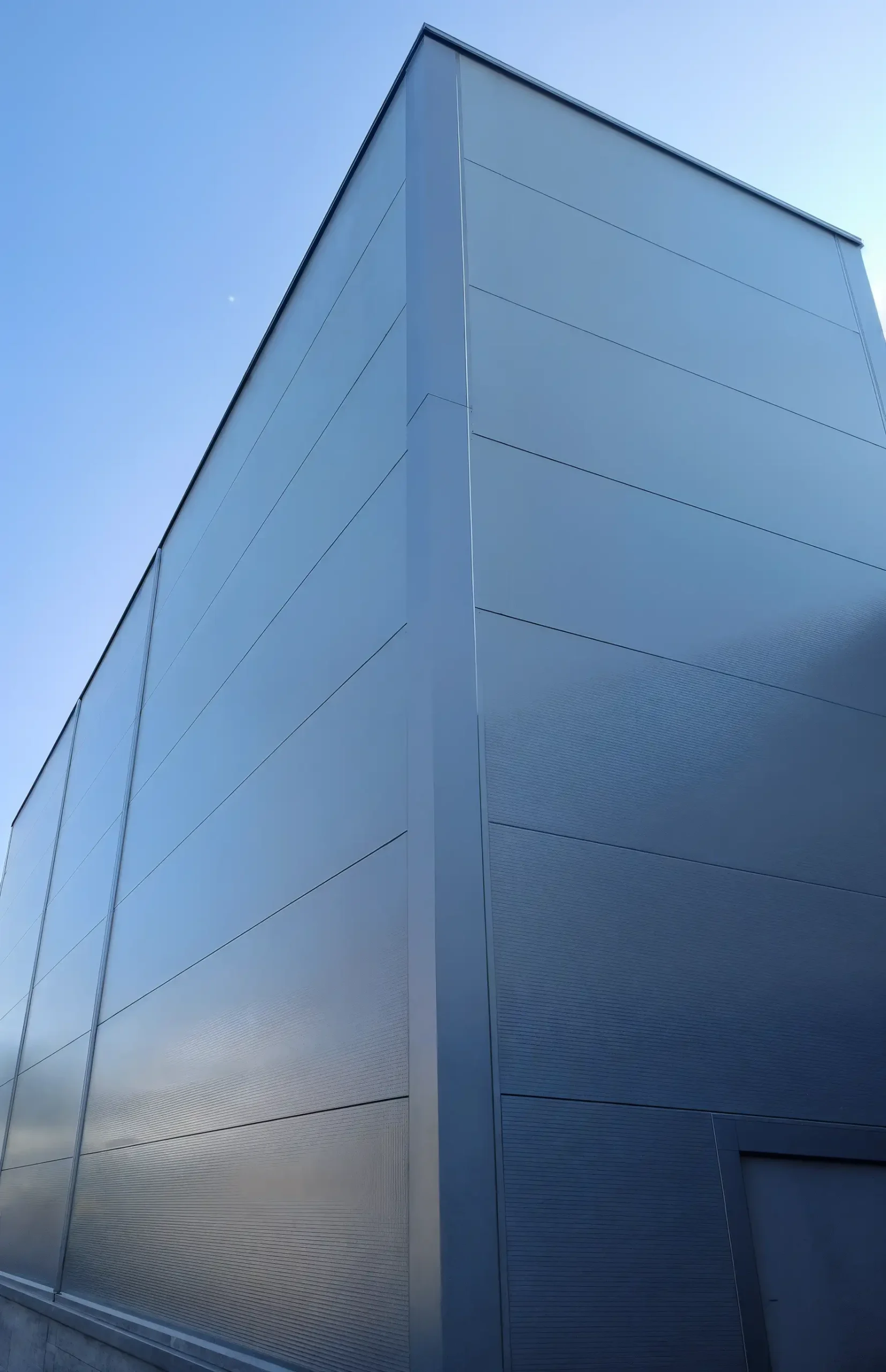
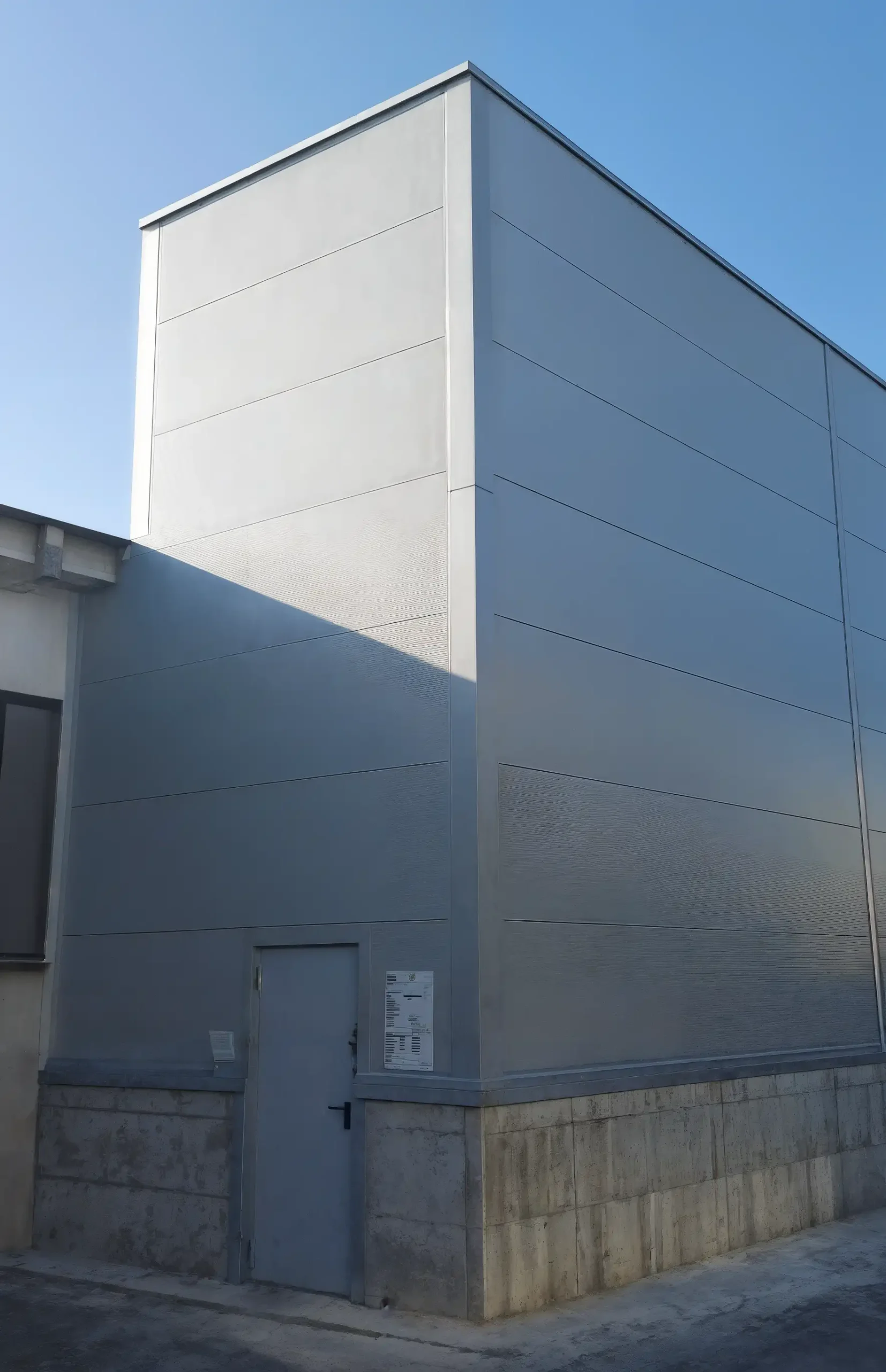
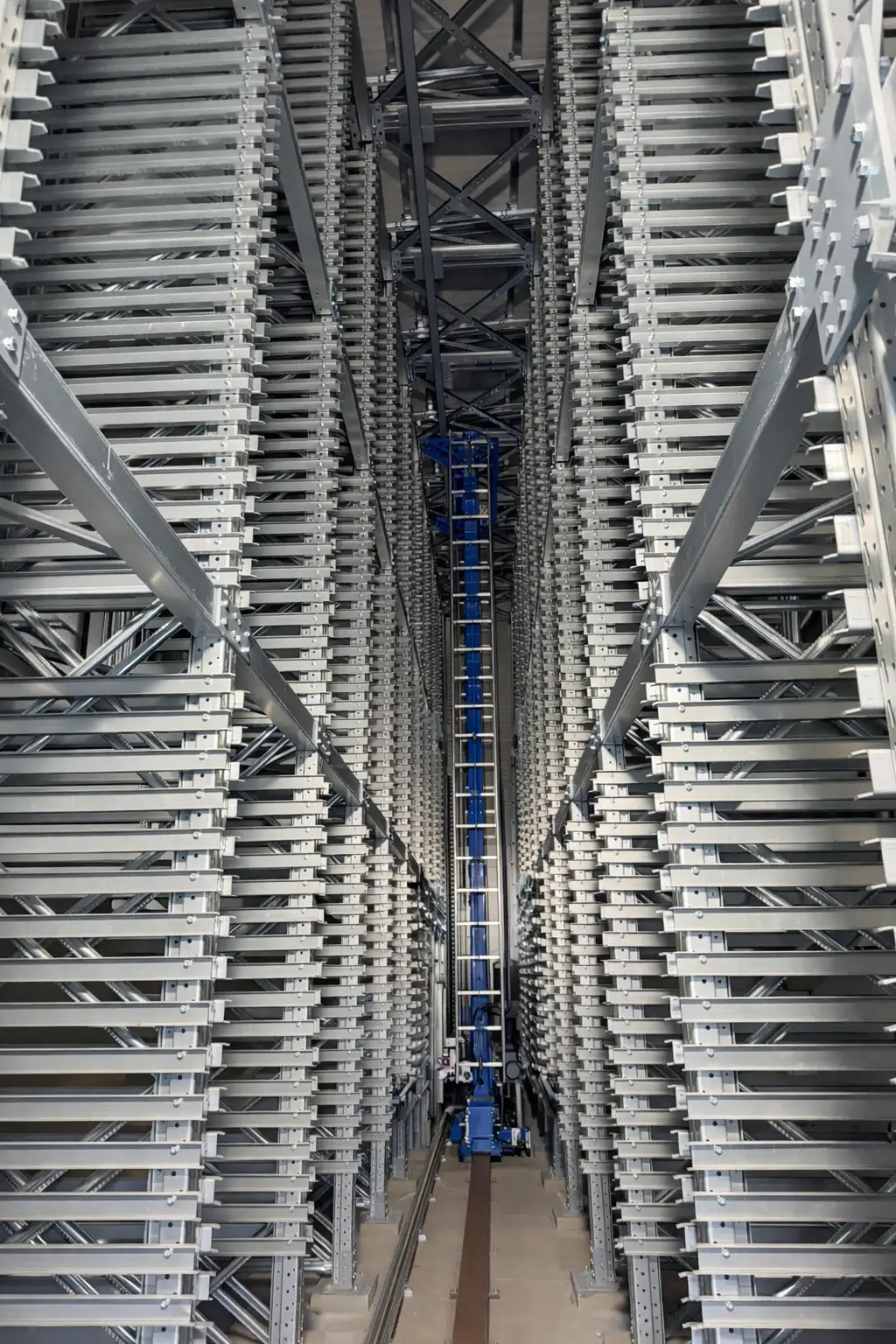
Modulblok developed an integrated project for the construction of a rack-supported automated vertical storage system, designed in collaboration with the technology partner Vertilog for the automation component. Installed externally to the production facility and fully integrated both architecturally and functionally, the system represents an advanced solution where structure and automation operate in a coordinated manner.
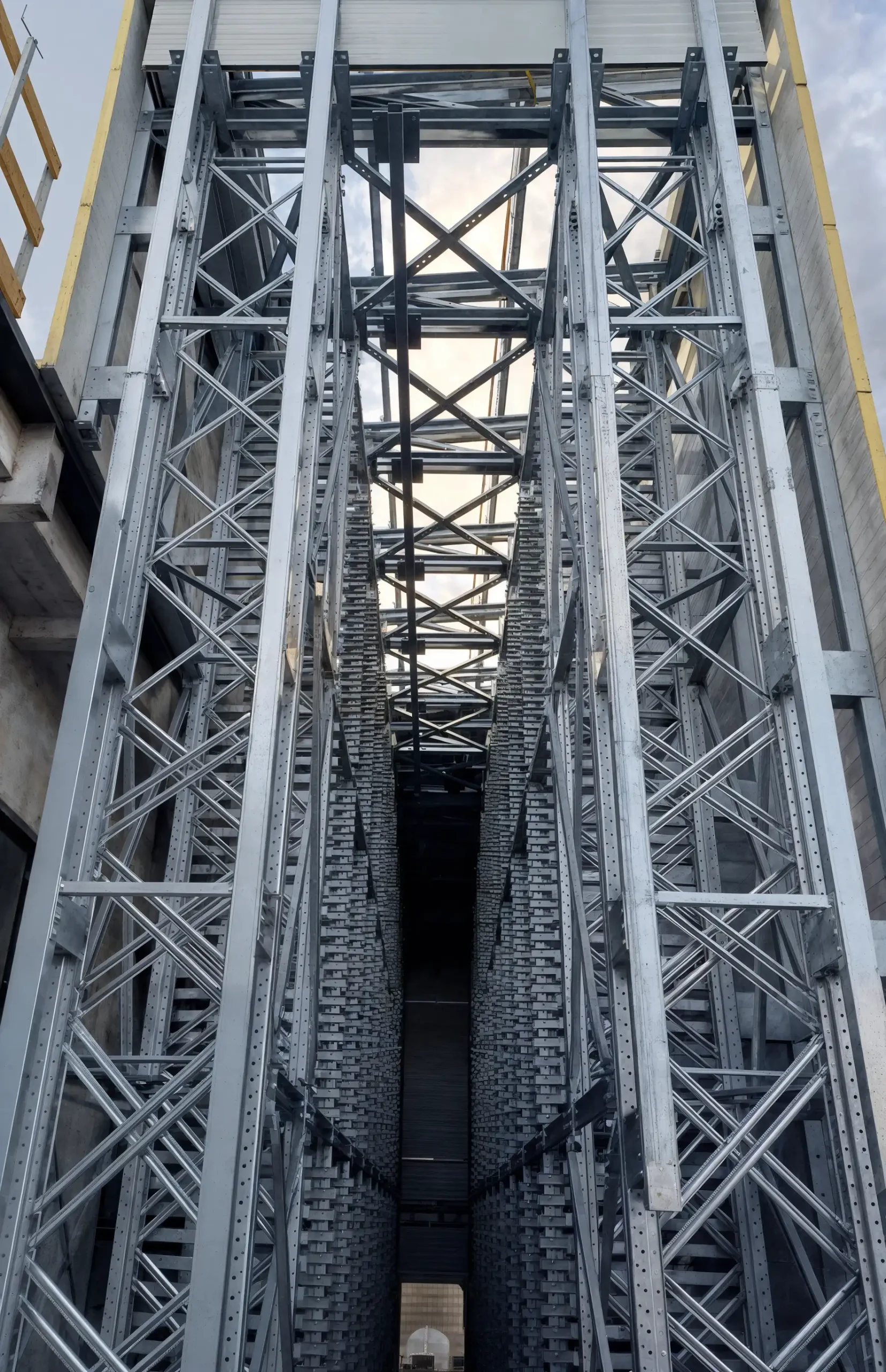
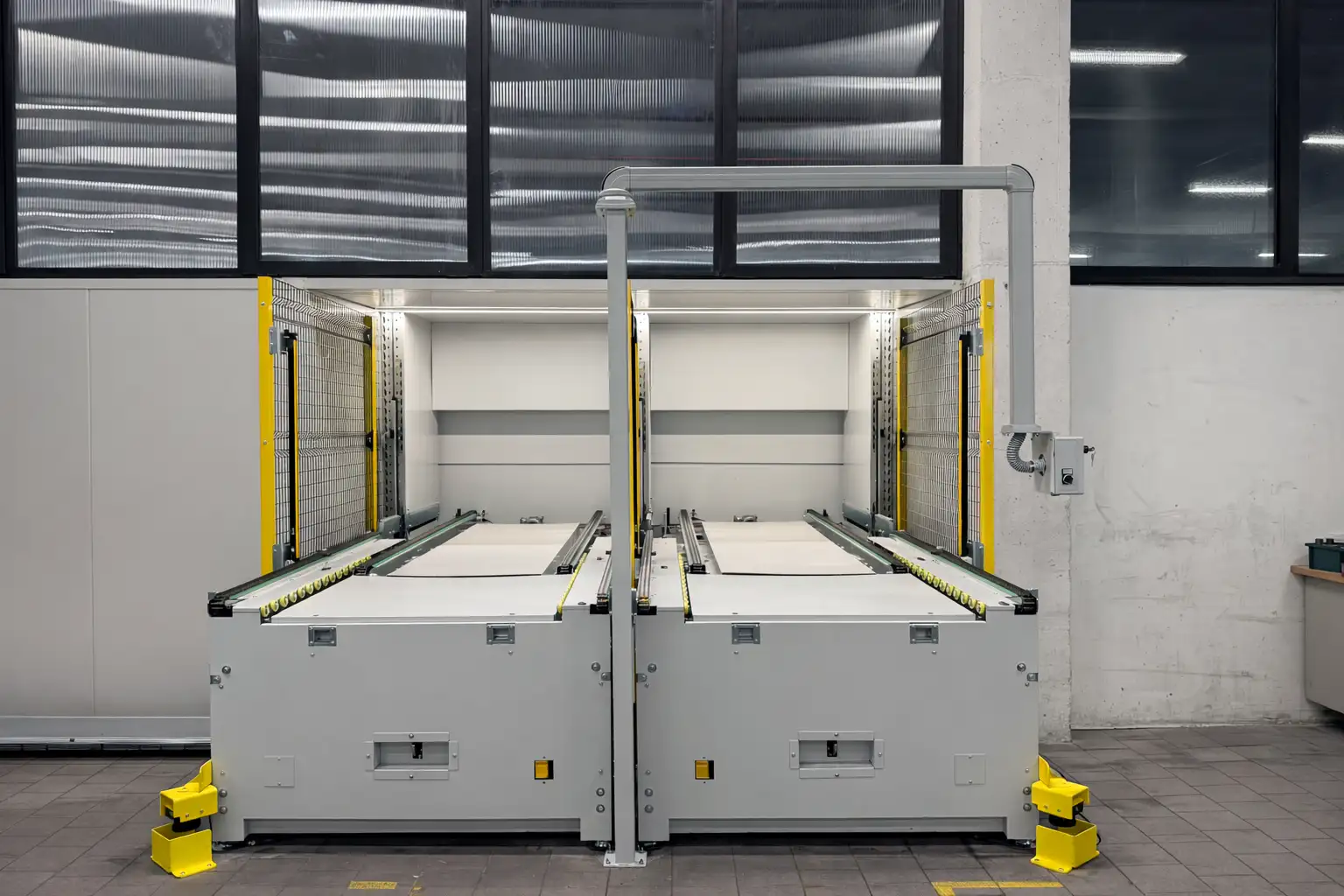
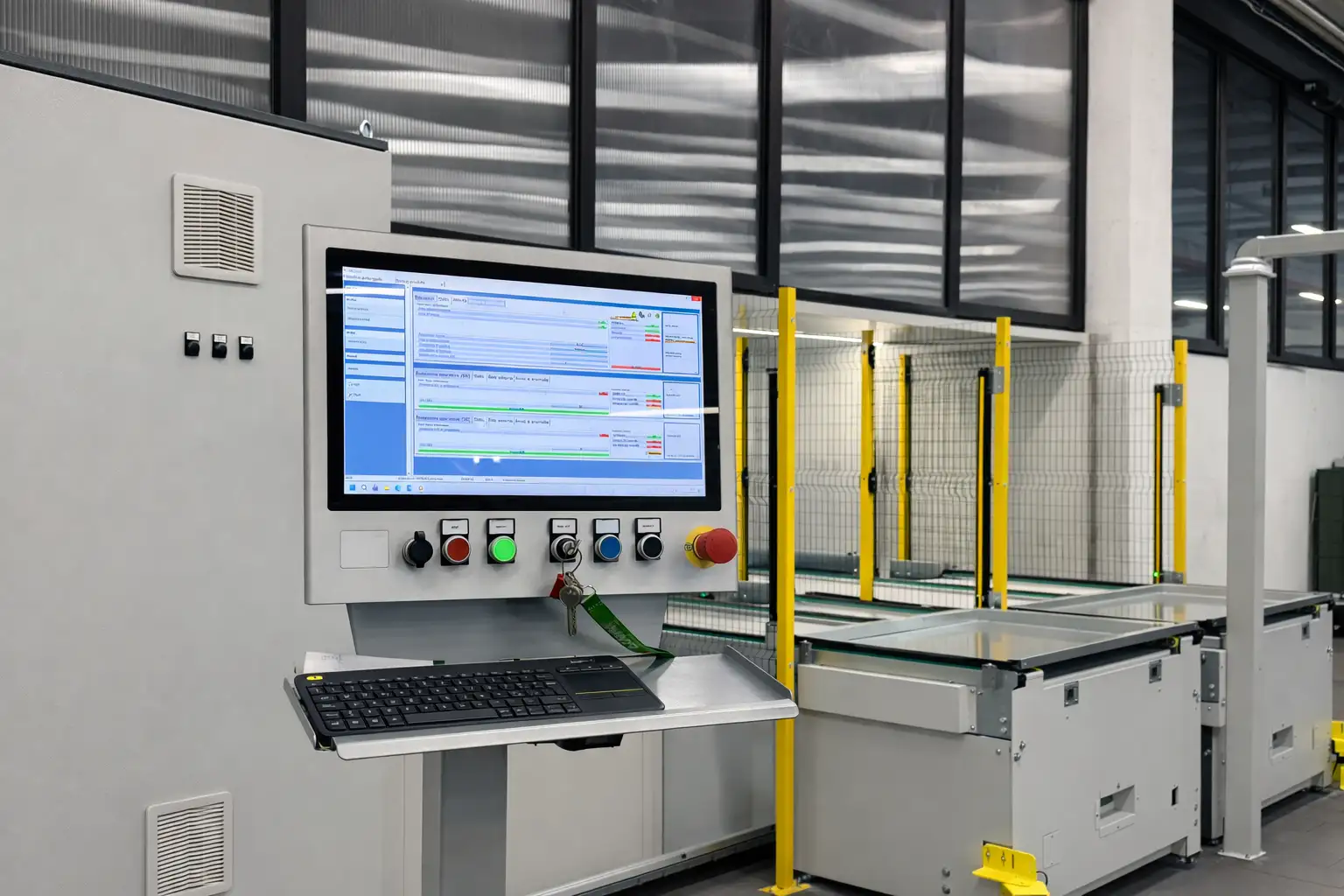
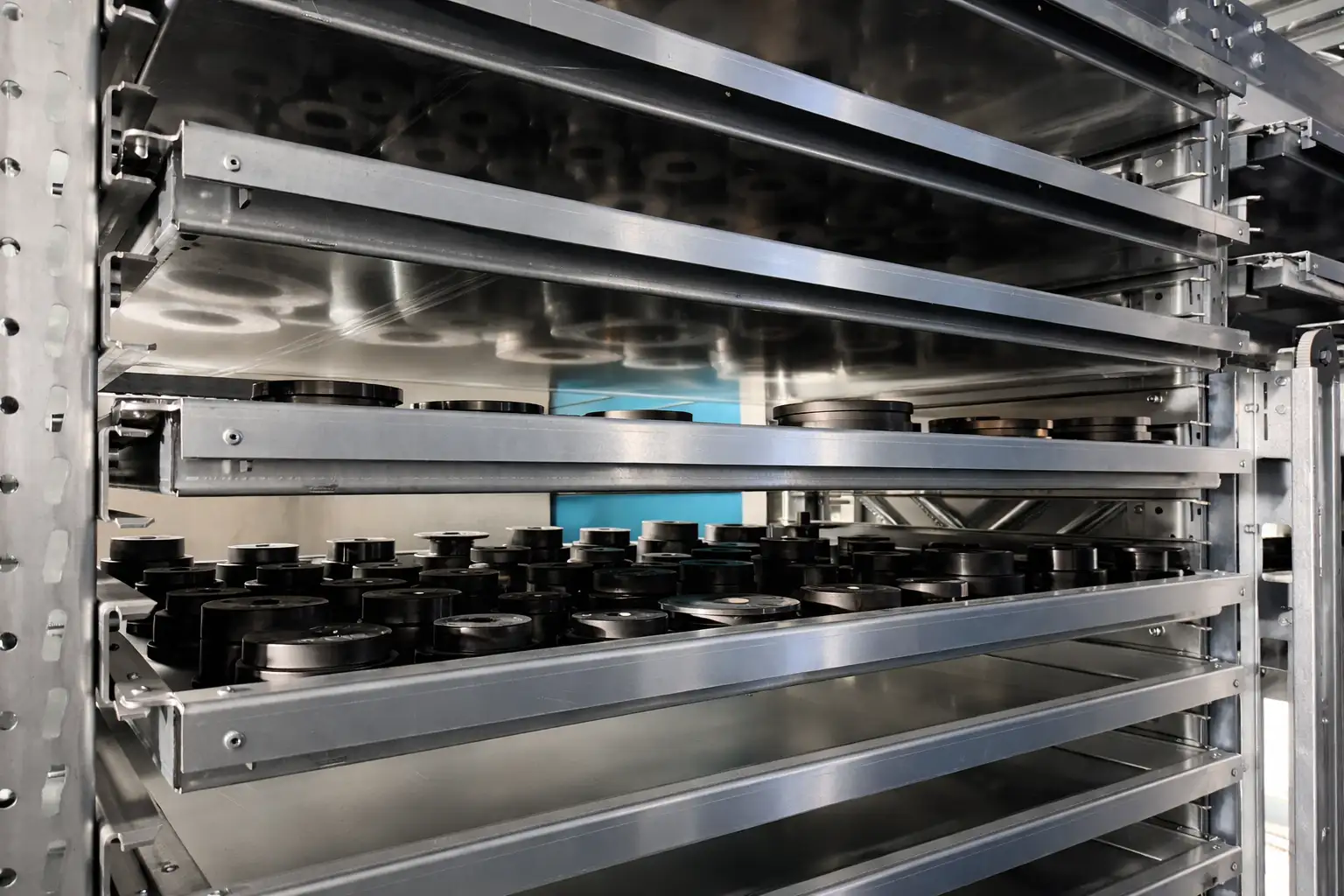
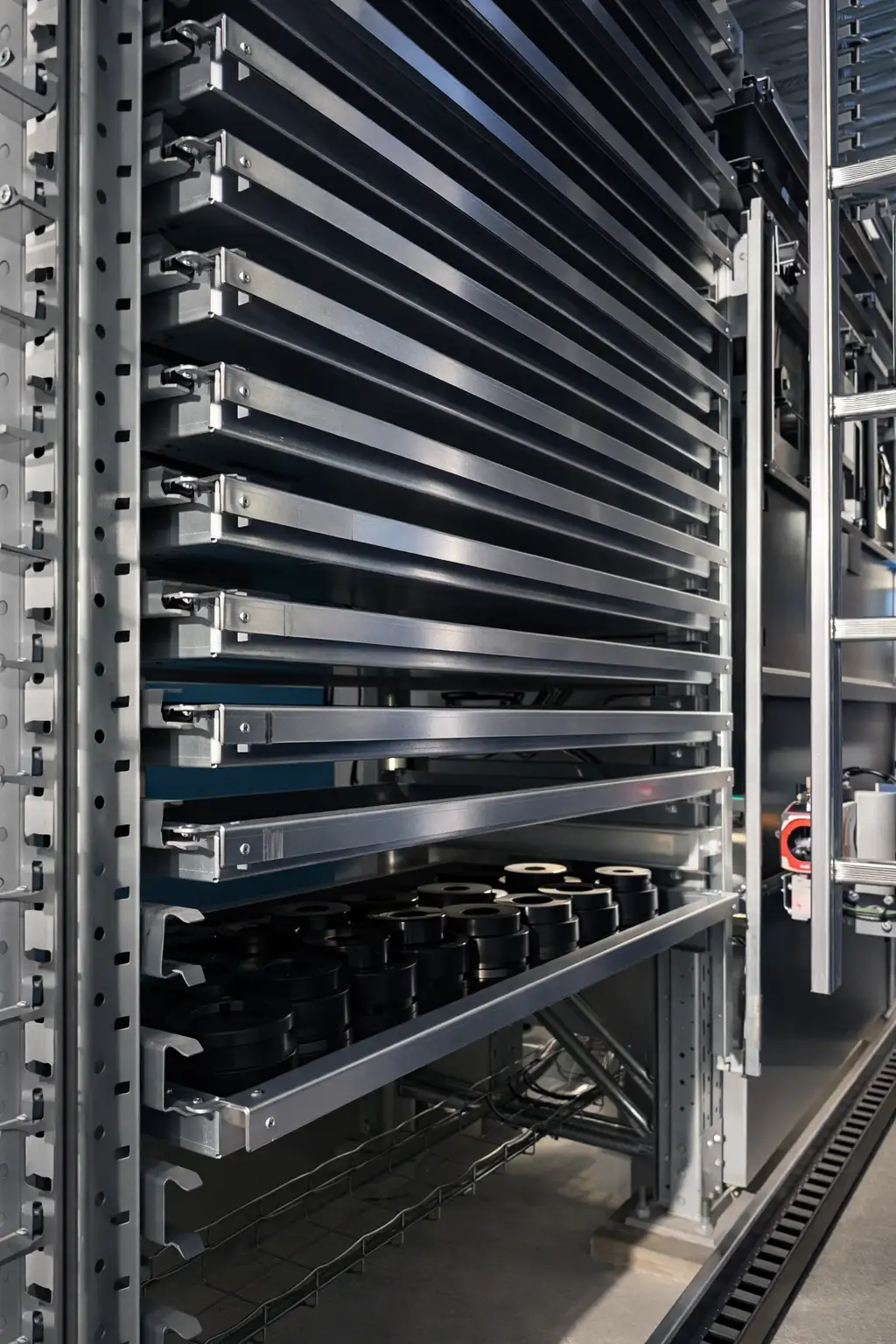
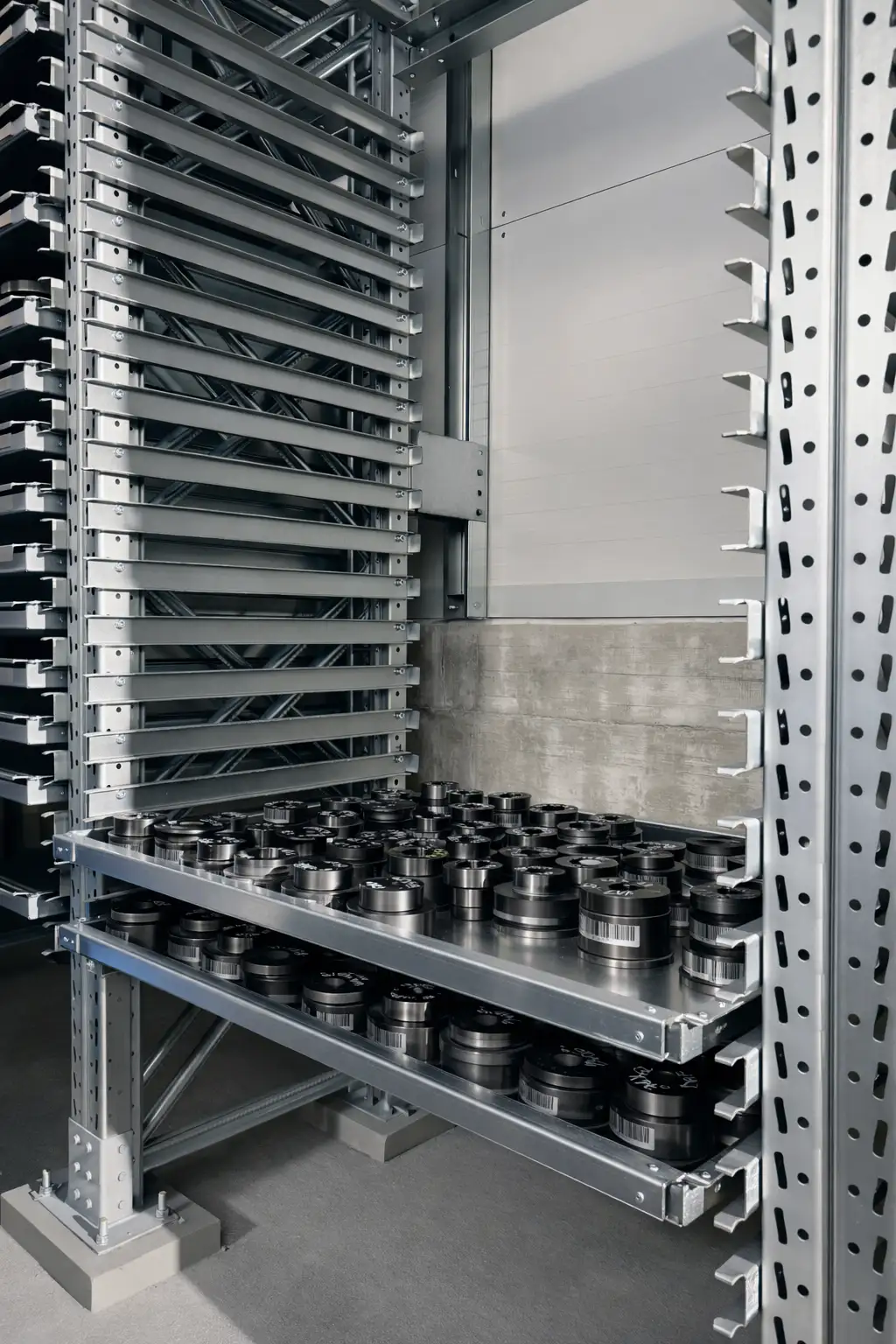
The solution is based on Vertilog VL technology, an industrial vertical storage system with dynamic tray-based storage, served by an internal stacker crane that automatically manages storage and retrieval operations by transferring materials to operational bays. The system enables fully automated cycle management, ensuring continuity and control of material flows.
The project scope included:
With 504 trays measuring 1,200 × 800 mm, a unit load capacity of 500 kg, and a total capacity of approximately 252 tonnes, the vertical storage system provides around 484 m² of usable storage surface over a height of 8.35 m. The dynamic level configuration, adjustable in 52 mm increments, allows the system to adapt to actual material dimensions, optimizing storage even for non-standard components and complex geometries.
The project also includes:
The implementation of the automated vertical storage system enabled Carrara to achieve significant improvements in capacity, operational efficiency, and flow organization, transforming the warehouse into an integrated system supporting production.
1. Maximum storage density and space optimization
2. Operational efficiency and flow automation
3. Advanced management of complexity and variability
4. Scalability, cost efficiency, and innovation
Torna su